

What Is Known About Berberine and Weight Management?
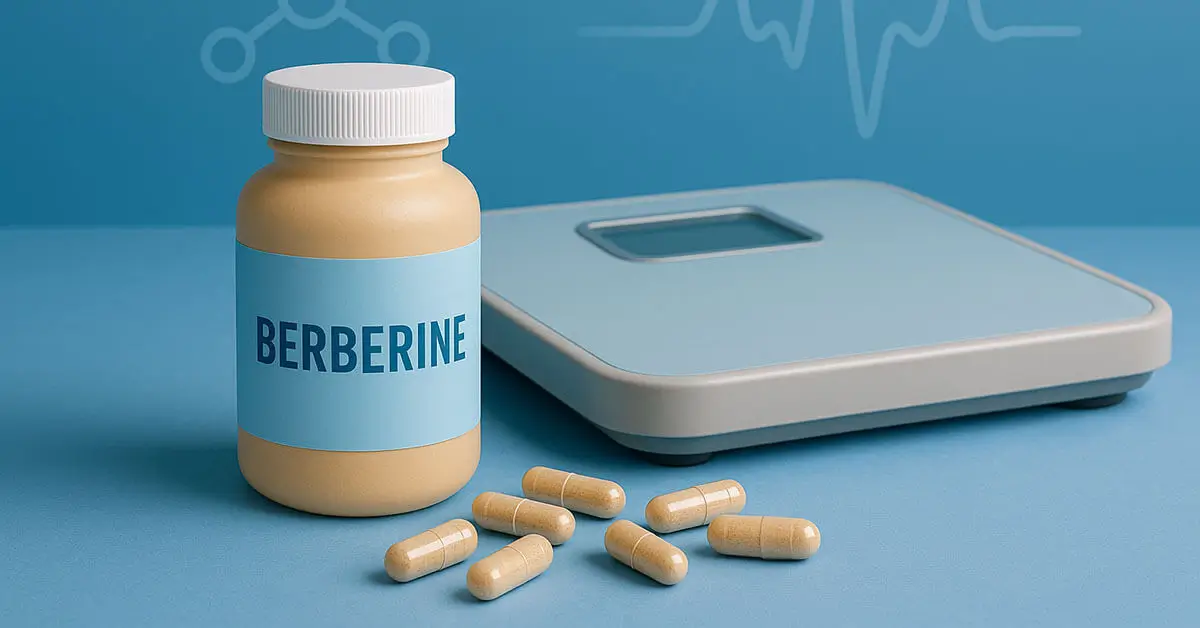
Berberine has gained attention as a supplement that may support weight management and metabolic health. It is often compared to prescription medications used for weight loss, particularly drugs that affect appetite and blood sugar regulation.
Medications such as Ozempic and Wegovy belong to a class known as GLP-1 receptor agonists. These drugs influence appetite and glucose control, but they are prescription-only and may come with side effects or high costs.
This has led many people to look for non-prescription options that support similar metabolic pathways. Berberine is frequently mentioned in this context, but its effects and limitations are often misunderstood.
This guide reviews what research says about berberine for weight loss, how it differs from GLP-1 medications like Ozempic, and what to consider if you are thinking about using it.
Why Berberine Is Trending for Weight Loss in 2025
Berberine is a plant-derived compound that has been studied for its effects on blood sugar regulation, insulin sensitivity, and metabolic function.
Interest in berberine has increased as more people look for ways to support weight management without prescription drugs or stimulants.
Research suggests that berberine may help support metabolic health by:
- Improving blood sugar control
- Supporting insulin sensitivity
- Influencing pathways involved in fat metabolism
For individuals who cannot access or do not wish to use prescription weight loss medications, berberine is often explored as a complementary option within a broader lifestyle approach.
What Is Berberine?
Berberine is a plant alkaloid found in herbs like Berberis vulgaris, goldenseal, and Oregon grape root.
It's been used in traditional Chinese and Ayurvedic medicine for centuries, mainly for digestive issues and infections. But modern science is uncovering new benefits, especially for metabolic health and weight management.
How Berberine Works for Weight Loss
Berberine isn't a stimulant or an appetite suppressant. Instead, it works at a cellular level to support fat loss in several ways:
1. Activates AMPK
Berberine activates AMPK, often called the "metabolic master switch." This enzyme helps regulate energy balance and promotes:
- Increased fat burning
- Reduced fat storage
- Improved insulin sensitivity
2. Stabilizes Blood Sugar
By controlling blood sugar spikes, berberine may help reduce cravings and prevent fat gain from insulin surges.
3. Supports a Healthy Gut Microbiome
Berberine can positively affect the gut by promoting good bacteria and reducing inflammation. Since gut health is linked to weight management, this is a big plus.
Berberine vs Ozempic: What's the Difference?
People love to compare berberine to Ozempic but they're very different tools. Here's a quick comparison:
| Berberine | Ozempic (Semaglutide) |
|---|---|
| Natural plant supplement | Prescription injectable medication |
| Activates AMPK to support fat metabolism | Activates GLP-1 receptors to reduce appetite |
| Helps with blood sugar control and gut health | Strong appetite suppressant, may cause nausea |
| Weight loss: 3 to 5 kg over several months | Weight loss: 10 to 15% of body weight in clinical trials |
| Affordable, over-the-counter | Expensive, requires prescription |
Bottom line: Berberine won't match Ozempic's appetite suppression, but it offers a natural, safer way to support metabolism and fat loss.
What Does the Science Say?
Several studies back up berberine's weight loss potential:
- One clinical trial showed an average weight loss of 5 pounds (2.3 kg) over 12 weeks in obese participants taking 500 mg of berberine three times per day.
- Another study found a significant reduction in belly fat and waist circumference.
- In people with metabolic syndrome, berberine improved insulin sensitivity, lipid profiles, and body composition.
While the weight loss is modest compared to pharmaceutical options, berberine's overall health benefits make it a powerful tool.
Berberine Benefits Beyond Weight Loss
Berberine does more than burn fat. It also:
- Supports healthy blood sugar levels
- Lowers LDL cholesterol and triglycerides
- Improves gut health
- Has anti-inflammatory effects
- May help reduce the risk of heart disease and diabetes
For these reasons, berberine is best viewed as a supplement that supports overall metabolic health, rather than a product designed solely for fat loss.
How to Take Berberine for Weight Loss
Berberine has a short half-life, so it's best to split the dose across the day.
- Recommended dose: 500 mg, 2 to 3 times per day (with meals)
- Timing: Breakfast, lunch, and dinner
Best Practices
- Start with one dose per day for the first week to assess tolerance
- Increase gradually to avoid digestive discomfort
- Take with food to minimize side effects
Stack Ideas
- Glucomannan for appetite control
- Probiotics for gut synergy
- Cinnamon or chromium for additional blood sugar support
Possible Side Effects and Warnings
Berberine is generally safe, but you should know about a few precautions:
- Digestive issues: Some people experience constipation, bloating, or nausea
- Blood sugar drop: Be cautious if you're on diabetes medication
- Drug interactions: May interact with metformin, statins, or anticoagulants
- Pregnancy & breastfeeding: Not recommended
Always talk to your doctor if you have existing medical conditions or take prescription drugs.
The Bottom Line: Can Berberine Replace Ozempic?
Berberine is not a direct replacement for Ozempic. It won't suppress appetite like a GLP-1 drug, and it won't cause dramatic weight loss on its own.
But if you're looking for a natural way to support fat loss, blood sugar control, and metabolic health, berberine is one of the most promising options available in 2025.
Combine it with a healthy diet, regular exercise, and good sleep for the best results.
Related Articles


Latest


Our Content Guidelines
Our content provides educational information about supplements and wellness topics.
-
 Evidence-informed content
We reference peer-reviewed studies and established scientific literature where available. -
 Clear sourcing & transparency
Sources and references are provided when evidence exists, allowing readers to explore further. -
 Updated to reflect new evidence
Articles are updated as new information becomes available.