

Which Vitamins and Herbs to Avoid if You Have High Blood Pressure
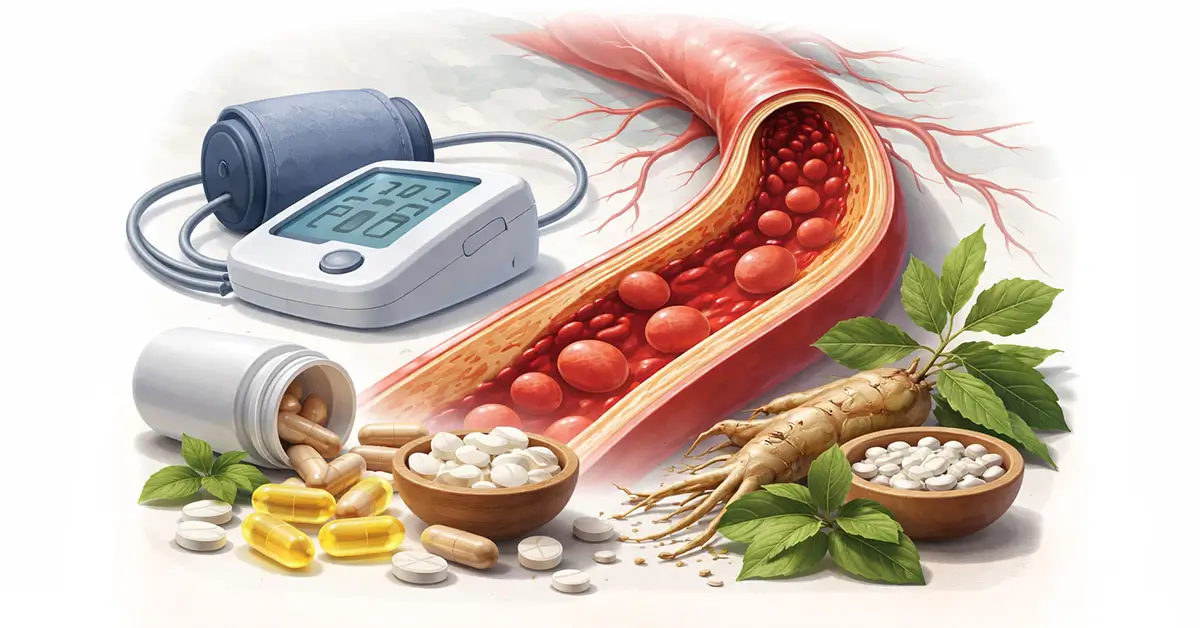
If you have high blood pressure, you need to be careful about the supplements you take.
Some vitamins and herbal supplements can quietly push your blood pressure higher or interfere with your medication. Others may seem harmless because they are natural, but natural does not always mean safe for your condition.
This article focuses on vitamins and herbs you should be cautious with if you have hypertension.
The goal is not to scare you, but to help you avoid common mistakes that could make blood pressure harder to control.
Why Supplements Can Be a Problem With High Blood Pressure
High blood pressure is influenced by several systems in your body, including fluid balance, blood vessel tone, stress hormones, and kidney function. Some supplements act directly on these systems.
If you already take medication for hypertension, the risk is higher. Certain vitamins and herbs can reduce how well your medication works, increase side effects, or raise blood pressure on their own.
Even if your blood pressure is only mildly elevated, these effects can add up over time.
Vitamins to Be Careful With
Vitamin E (High Doses)
Vitamin E is often taken for heart health and antioxidant support. In small amounts from food, it is usually not an issue. Problems tend to appear with high-dose supplements.
Large doses of vitamin E can affect blood clotting and interact with blood pressure medication. In some people, it may also lower blood pressure too much when combined with treatment, increasing the risk of dizziness or fainting.
If you have hypertension, avoid high-dose vitamin E unless it is recommended and monitored by your doctor.
Vitamin D (Excessive Supplementation)
Vitamin D is important, but excessive intake can cause problems. Very high doses may raise calcium levels in the blood and affect blood vessel flexibility.
In some cases, excessive vitamin D intake has been linked to higher blood pressure, especially when taken without monitoring blood levels.
If you supplement vitamin D, stick to moderate doses and consider periodic blood testing.
Vitamin A (Preformed Retinol)
Vitamin A supplements, especially those containing retinol rather than beta-carotene, can be problematic at high doses.
Excess vitamin A can place strain on the liver and kidneys, organs that play a key role in blood pressure regulation.
If you have high blood pressure, it is safer to get vitamin A from food sources such as vegetables rather than supplements.
Herbs and Plant-Based Supplements to Avoid or Use With Caution
Licorice Root
Licorice root is one of the most important herbs to avoid if you have high blood pressure. It contains glycyrrhizin, a compound that causes the body to retain sodium and lose potassium.
This combination directly raises blood pressure and can also lead to fluid retention and heart rhythm disturbances.
In a 2021 clinical study, participants consuming licorice extract daily experienced measurable increases in blood pressure within a few weeks.
Even licorice tea or candies can have an effect if consumed regularly.
Ginseng
Ginseng is often used for energy, focus, and stress support, but its effects on blood pressure are unpredictable.
In some people, ginseng stimulates the nervous system and raises blood pressure, especially at higher doses or when combined with caffeine.
If your blood pressure is difficult to control, it is safer to avoid ginseng.
Yohimbe
Yohimbe is sometimes used for sexual health, but it strongly affects the nervous system.
It can significantly raise blood pressure and heart rate, increasing the risk of anxiety, palpitations, and sudden spikes in blood pressure.
This is one of the higher-risk herbal supplements for people with hypertension.
Guarana
Guarana is a concentrated natural source of caffeine.
Like coffee or energy drinks, it can raise blood pressure, especially in people who are caffeine-sensitive or already struggling with hypertension.
Daily use or combining it with other stimulants increases this risk.
Ephedra (Ma Huang)
Ephedra is a powerful stimulant that increases heart rate and constricts blood vessels, leading to sharp rises in blood pressure.
It has been linked to serious cardiovascular events and is banned in many countries. Some weight loss or energy products may still contain related compounds.
If you have high blood pressure, ephedra should be completely avoided.
Bitter Orange (Synephrine)
Bitter orange is commonly found in weight loss supplements.
It contains synephrine, a stimulant that can raise blood pressure and heart rate, especially when combined with caffeine.
Elevated blood pressure has been reported even in people without a history of hypertension.
Hidden Sources You Might Overlook
Some supplements raise blood pressure indirectly. Multi-ingredient formulas marketed for energy, metabolism, or weight loss often contain several stimulants.
Cold and flu remedies, including herbal versions, may include ingredients that constrict blood vessels.
Always read labels carefully, especially when you see terms like "energizing," "thermogenic," or "metabolism support."
How to Protect Yourself if You Have High Blood Pressure
These practical steps can help reduce risk when using supplements.
- Avoid starting multiple supplements at the same time.
- Check your blood pressure regularly after adding a new product.
- Favor food-based nutrient sources over concentrated extracts.
- Always consider interactions if you take prescription medication.
The Bottom Line
If you have high blood pressure, certain vitamins and herbs can quietly work against your efforts to stay healthy. Licorice root, stimulants, and high-dose supplements are common examples.
Being selective does not mean avoiding supplements entirely. It means choosing them carefully, using reasonable doses, and paying attention to how your body responds.
Managing blood pressure is a long-term process, and avoiding the wrong supplements can make that process safer and easier.
FAQ
Can vitamins raise blood pressure?
Yes. Some vitamins can affect blood pressure when taken in high doses or combined with medication. Vitamin D, vitamin A, and vitamin E are common examples.
Are herbal supplements safe if you have high blood pressure?
Not always. Some herbs act as stimulants or alter fluid and sodium balance, which can raise blood pressure or interfere with treatment.
Which herbs should be avoided with high blood pressure?
Licorice root, ephedra, yohimbe, bitter orange, and some forms of ginseng are commonly advised against due to their effects on blood vessels and heart rate.
Can supplements interfere with blood pressure medication?
Yes. Certain supplements can reduce medication effectiveness or increase side effects such as dizziness or sudden blood pressure changes.
Is it safer to get vitamins from food instead of supplements?
Often yes. Food sources provide nutrients in balanced amounts and reduce the risk of excessive intake.
Should you stop supplements if your blood pressure increases?
If your readings rise after starting a new supplement, stop using it and monitor your blood pressure. Persistent changes should be discussed with a healthcare professional.


Latest


Our Content Guidelines
Our content provides educational information about supplements and wellness topics.
-
 Evidence-informed content
We reference peer-reviewed studies and established scientific literature where available. -
 Clear sourcing & transparency
Sources and references are provided when evidence exists, allowing readers to explore further. -
 Updated to reflect new evidence
Articles are updated as new information becomes available.