

Bleeding Gums: Causes, Deficiencies, and the Best Vitamins to Fix It
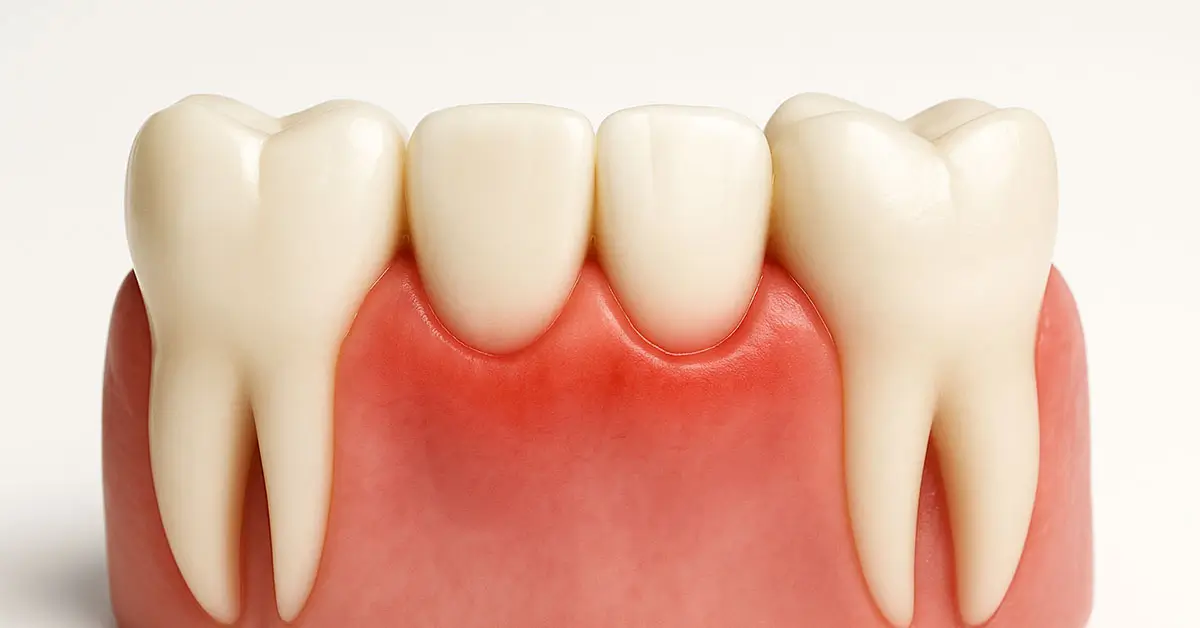
Bleeding gums can be alarming, especially when it happens during brushing or flossing. In most cases it is a sign that your gums are irritated or inflamed.
Sometimes it also points to a nutrient gap that weakens gum tissue.
The good news is that with the right habits and the right vitamins you can usually improve gum health naturally.
Why Are My Gums Bleeding?
The most common causes
The most frequent reason for bleeding gums is plaque buildup. Plaque is a film of bacteria that forms on your teeth and gums. If it stays in place too long it irritates the gums and can lead to gingivitis. This is the earliest form of gum disease and it often shows up through redness, swelling, and bleeding.
Brushing too hard or using a toothbrush with stiff bristles can also injure your gums. Many people press harder when they see bleeding which makes the irritation worse.
Smoking, high sugar intake, and alcohol can all make gums more sensitive. Hormonal shifts, especially during pregnancy, can also increase bleeding.
When bleeding gums indicate a deeper health issue
If your gums bleed easily and regularly it can sometimes signal a deeper problem. High blood sugar, a weakened immune system, or low levels of key vitamins can all affect gum strength. When your body cannot repair tissue properly your gums become more fragile.
You should speak with a dentist if bleeding persists for more than a couple of weeks despite improving your oral hygiene.
How Vitamin Deficiencies Cause Bleeding Gums
Your gums are made of connective tissue that relies on collagen. Collagen keeps gum tissue firm and stable. When your body does not have enough nutrients to produce and repair collagen your gums become more sensitive and more likely to bleed.
Inflammation also plays a role. Certain deficiencies make inflammation harder to control. Inflamed gums bleed more easily during brushing or even when eating.
The most common deficiencies linked to bleeding gums involve vitamin C, vitamin D, vitamin K2, CoQ10, zinc, and sometimes collagen related nutrients like glycine and proline.
The Best Vitamins and Supplements to Fix Bleeding Gums
Vitamin C: Essential for gum repair and collagen support
Low vitamin C is one of the best known causes of gum bleeding. Your body needs vitamin C to build collagen. It also helps control inflammation in gum tissue. Even mild vitamin C insufficiency can make the gums more fragile.
In a clinical study from 2021, adults who increased their vitamin C intake saw a noticeable reduction in gum bleeding within a few weeks.
✔️ Typical Dosage Range: 250 mg to 1000 mg per day, taken with food to reduce stomach discomfort.
Vitamin D: Supports immunity and reduces gum inflammation
Vitamin D plays a major role in immune balance. Low levels make it harder for your gums to fight bacteria.
Research has shown that people with low vitamin D tend to experience more frequent gum bleeding and gum disease. Improving vitamin D status often reduces inflammation in the mouth.
✔️ Typical Dosage Range: 1000 IU to 2000 IU daily for maintenance. Higher doses may be used short term under medical guidance.
Vitamin K2: Helps with clotting and gum strength
Vitamin K2 helps your body activate proteins involved in calcium placement and normal clotting. When levels are low you may notice easy bruising and gum bleeding.
Some dentists report that individuals with K2 deficiency often have more gum sensitivity. Improving K2 intake can support gum firmness and reduce bleeding triggered by brushing.
✔️ Typical Dosage Range: 90 mcg to 200 mcg per day, usually as MK7.
CoQ10: Supports gum tissue energy and repair
CoQ10 is a nutrient that helps your cells create energy. Gum tissue relies on it for repair.
Several clinical studies have shown that people with gum disease tend to have lower CoQ10 levels in gum tissue. Supplementing CoQ10 has been associated with reduced redness and bleeding, especially in mild to moderate gingivitis.
✔️ Typical Dosage Range: 60 mg to 200 mg per day, preferably in a softgel form.
Zinc: Supports immunity and oral microbiome balance
Zinc is needed for immune function and for maintaining a healthy balance of bacteria in the mouth.
Low zinc levels are linked to slower healing and higher inflammation. People with recurring gum problems sometimes improve when zinc intake reaches adequate levels.
✔️ Typical Dosage Range: 15 mg to 30 mg per day. Avoid long term use of high doses unless advised by a clinician.
Collagen: Helps rebuild gum structure
Collagen supplements offer amino acids that your body uses to repair gum tissue.
In small studies, people who took collagen peptides reported better gum firmness and less bleeding over time. Collagen does not act fast but it supports long term tissue integrity.
✔️ Typical Dosage Range: 2 g to 10 g per day, mixed into a drink or taken as capsules.
Probiotics: Helpful for reducing plaque and irritation
Certain probiotic strains, especially those used for oral health, can reduce harmful bacteria and plaque formation.
Some small clinical tests have shown that oral probiotics can lower gum bleeding scores and improve breath freshness. They work by helping restore a healthier balance of bacteria in the mouth.
✔️ Typical Dosage Range: Follow label instructions. Oral probiotic lozenges are usually taken once or twice daily.
When Supplements Help versus When to See a Dentist
Supplements can be very helpful if your bleeding gums come from vitamin deficiencies or mild inflammation. They support repair and help reduce sensitivity. You should still monitor your symptoms closely.
See a dentist if you notice persistent swelling, pain, loose teeth, or bleeding that continues despite improved oral hygiene and supplementation. These signs may indicate gum disease that requires professional cleaning.
Natural Ways to Reduce Gum Bleeding at Home
- Use a soft bristle toothbrush to avoid irritating the gums and brush gently for two minutes twice daily.
- Add flossing or interdental brushes once a day to remove plaque that sits between the teeth.
- Rinse with warm saltwater to help calm irritation and reduce inflammation.
- Try green tea rinses. The EGCG in green tea may support healthier gums.
- Reduce sugar intake and consider quitting smoking. Both steps can improve gum sensitivity and overall oral health.
Conclusion
Bleeding gums are usually a sign of irritation or mild inflammation. They can also be caused by low levels of key vitamins. Increasing vitamin C, D, K2, zinc, CoQ10, collagen, and oral probiotics can help strengthen the gums and reduce bleeding. Pairing these nutrients with good brushing habits and regular dental visits provides the best long term results.
Frequently Asked Questions
Why are my gums bleeding when I brush my teeth?
The most common reason is irritation from plaque buildup. When plaque sits along the gumline it triggers inflammation and makes the gums more sensitive. Brushing too hard or using a toothbrush with stiff bristles can also cause bleeding. If the bleeding happens often it may be linked to a vitamin deficiency such as low vitamin C or vitamin D.
Can bleeding gums be caused by vitamin deficiency?
Yes. Low intake of vitamin C, vitamin D, vitamin K2, CoQ10, and zinc can all weaken gum tissue and increase bleeding. Correcting these deficiencies often improves symptoms.
How long does it take for supplements to stop bleeding gums?
Many people notice improvement within two to four weeks. Vitamin C and D act relatively quickly while collagen and CoQ10 may take longer.
What is the best vitamin for gum health?
Vitamin C is the most important for collagen repair. Vitamin D, K2, zinc, and CoQ10 also support gum strength and reduced inflammation.
Do probiotics help with bleeding gums?
Yes. Oral probiotics can help lower plaque and inflammation. They are not a replacement for brushing but they support better gum health.
Can bleeding gums be reversed naturally?
In many cases yes. Improving oral hygiene, correcting nutrient deficiencies, and using gentle brushing techniques often reduces bleeding significantly.
This article was originally published on Stackbb, your trusted source for science-based supplement guides.
Related Articles


Latest




Our Guidelines
Our content is here to help you make the best choices for your health.
-
 Fact-checked with science-backed research
We rely on peer-reviewed studies and reputable sources. -
 Transparent sources & references
Claims include citations and links whenever evidence exists. -
 Updated to reflect new evidence
We review and refresh pages on a regular schedule.