

What Supplements Can Provide Gout Relief?
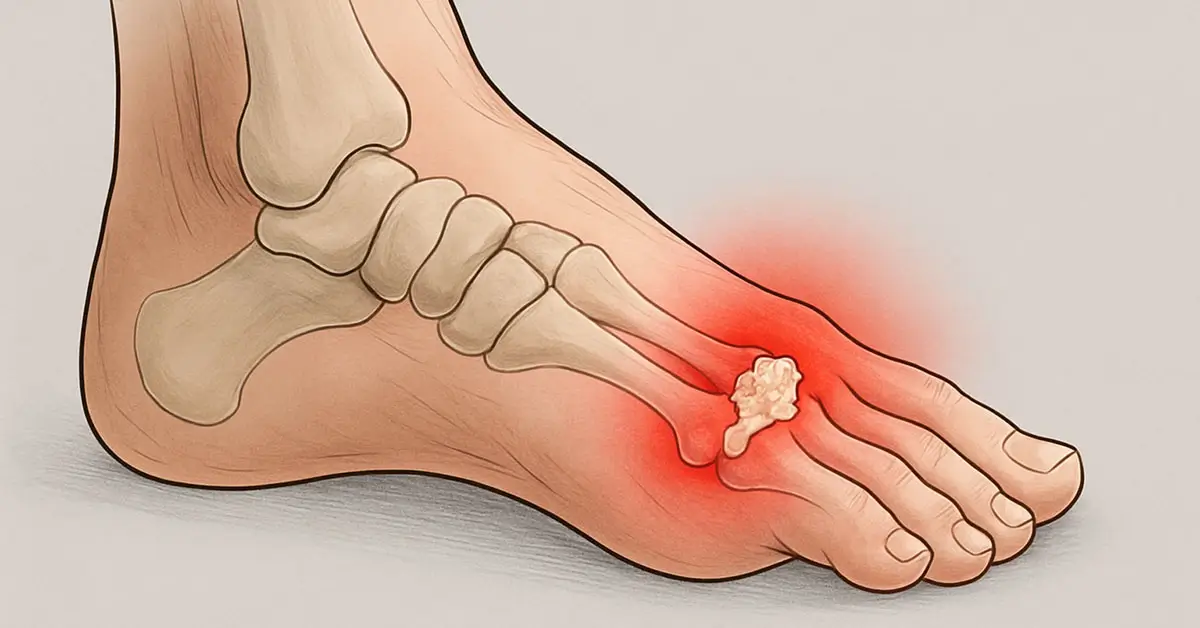
Gout is a painful form of inflammatory arthritis that happens when uric acid forms sharp crystals inside a joint.
When these crystals trigger inflammation, the result is a sudden gout attack that can make even small movements feel intense.
While prescription treatments are often essential, many people also look for supplements that can support relief and help manage uric acid levels
Below is a clear, research-informed guide to supplements that may help during a gout crisis and others that may support long-term prevention.
What Causes Gout in the First Place?
Gout usually begins when uric acid builds up in the bloodstream. Uric acid is a natural waste product that comes from the breakdown of purines, which are found in the body and in certain foods like red meat, seafood, and alcohol.
Some people produce more uric acid than their kidneys can remove. Others have normal production but weaker excretion.
When uric acid becomes too concentrated, crystals can form inside a joint.
The immune system sees these crystals as a threat, which leads to inflammation, swelling, and severe pain.
Managing uric acid levels and reducing inflammation are the two primary goals of gout support, whether during a crisis or for long-term prevention.
Best Supplements to Take During a Gout Crisis
Tart Cherry Extract
Tart cherry extract is one of the most talked-about options for natural gout support. It contains compounds called anthocyanins, which help calm inflammation. Some studies suggest that tart cherry extract may also promote lower uric acid levels by supporting better excretion.
In several clinical observations, people who consumed tart cherry products experienced fewer gout flares and milder symptoms. These results are early but encouraging, especially for short-term relief.
Typical Dosage Range: 500 mg to 1,000 mg per day of tart cherry extract or 30 to 60 ml of tart cherry juice concentrate.
Vitamin C
Vitamin C may help reduce uric acid levels by improving how efficiently the kidneys remove it from the body. This effect is modest but has been observed repeatedly in research.
In a controlled trial, a group taking daily vitamin C showed a measurable reduction in uric acid compared to a placebo group. While vitamin C alone will not stop a gout attack, it may support overall uric acid management and complement other treatments.
Typical Dosage Range: 500 mg to 1,000 mg per day.
Quercetin
Quercetin is a plant flavonoid that may help during a gout crisis because it appears to reduce inflammation and naturally inhibit xanthine oxidase, the same enzyme targeted by certain prescription medications for gout.
In a small clinical trial, adults taking quercetin experienced mild decreases in uric acid levels after several weeks. More research is needed, but the mechanism suggests potential benefits for both acute support and long-term balance.
Typical Dosage Range: 250 mg to 500 mg per day.
Bromelain
Bromelain is an enzyme extracted from pineapple stems. It is known for its ability to help reduce swelling and discomfort. People often use it during painful flare-ups because it supports a local anti-inflammatory response without affecting uric acid levels directly.
Some clinical data show that bromelain may help reduce tissue swelling and joint tenderness, which makes it an appealing option for short-term symptom relief.
Typical Dosage Range: 200 mg to 500 mg, taken between meals for better absorption.
Omega-3
Omega-3 is not a direct uric acid supplement, but it can help reduce inflammation throughout the body. During a gout crisis, even small improvements in inflammation can make the joint feel less stiff and irritated.
Some observational studies show that people with higher omega-3 intake tend to report fewer inflammatory symptoms in general, though fish oil is meant as supportive care rather than a fast-acting relief option.
Typical Dosage Range: 1,000 mg to 2,000 mg per day of combined EPA and DHA.
Magnesium
Magnesium may help reduce the formation of uric acid crystals by supporting a healthier acid-base balance in the body. It is not a treatment for active gout, but some people find that magnesium helps ease muscle tension around an inflamed joint, which can make a crisis feel slightly more manageable.
In a small 2021 study, people with low magnesium levels had higher uric acid readings, suggesting that maintaining adequate magnesium may be beneficial for overall balance.
Typical Dosage Range: 200 mg to 400 mg per day.
Celery Seed Extract
Celery seed extract has a long history of traditional use for uric acid support. It has a mild diuretic effect, which means it may help encourage the kidneys to eliminate excess uric acid more efficiently.
Some small clinical reports suggest that celery seed extract may reduce markers linked to inflammation, although larger studies are still needed.
Typical Dosage Range: 75 mg to 150 mg per day.
Supplements That May Help Prevent Future Gout Attacks
Vitamin D
Vitamin D plays a role in immune balance. Some research suggests that people with vitamin D deficiency may experience more inflammatory episodes in general. Maintaining healthy vitamin D levels may support better resilience against future gout attacks, although the effect is indirect.
Typical Dosage Range: 1,000 IU to 2,000 IU per day, adjusted based on blood levels.
Alpha-lipoic Acid (ALA)
ALA is an antioxidant that may support metabolic balance and healthier uric acid levels. In a small study, adults taking ALA showed modest reductions in uric acid after several weeks, which suggests potential benefits for long-term management.
Typical Dosage Range: 300 mg to 600 mg per day.
Probiotics
The gut plays a role in breaking down and processing uric acid. Certain probiotic strains may help reduce how much uric acid the body absorbs and may support healthier elimination.
Early studies are promising but still limited. Probiotics are not a replacement for medical treatment, but they may add value to a long-term gout management plan.
Typical Dosage Range: 5 to 20 billion CFU per day, depending on the strain.
Suggested Supplement Stack for Gout Relief
You do not need to take every supplement listed above. A simple and targeted combination usually works best. Below are two example stacks based on common goals.
During a Gout Crisis
This combination focuses on calming inflammation and assisting the body with short-term recovery.
- Tart cherry extract: for acute inflammation support
- Bromelain: for joint swelling and discomfort
- Fish oil: to support overall inflammatory balance
This stack is meant as complementary support next to your prescribed treatments, not as a replacement.
For Long-Term Prevention
This option focuses on steady uric acid balance and overall metabolic health.
- Vitamin C: to support better uric acid excretion
- Quercetin: for mild xanthine oxidase inhibition
- ALA or probiotics: depending on personal needs
Long-term prevention is most effective when combined with diet adjustments and regular medical monitoring.
Who Should Not Use These Supplements
People with kidney disease, those who take diuretics, blood thinners, or medications for gout should speak with a healthcare provider before starting any supplement. Some supplements can interact with prescriptions or may be unsafe when taken in high doses.
If you experience recurring attacks, severe swelling, fever, or pain that does not improve, it is important to seek medical care promptly.
FAQs About Supplements for Gout Relief
What are the best supplements for gout relief?
Supplements that may help during a gout attack include tart cherry extract, bromelain, quercetin, magnesium, and omega-3 fish oil. These options support inflammation control or uric acid balance. For long-term prevention, vitamin C, quercetin, alpha-lipoic acid, probiotics, and vitamin D are often considered. Supplements should be seen as supportive care next to medical treatment.
Can supplements replace prescription gout medication?
No. Supplements can support symptom relief and long-term balance, but they cannot replace medications prescribed for gout, especially during an acute attack.
How long does it take for supplements to help with gout?
Some supplements, like tart cherry or bromelain, may offer relief within a few days. Others that influence uric acid levels usually require several weeks of consistent use.
Is it safe to take multiple supplements at the same time?
Most of the supplements listed above can be combined, but people with medical conditions or those taking medications should get personalized medical advice.
Can diet changes improve supplement results?
Yes. Reducing alcohol, sugary drinks, and purine-rich foods can improve uric acid balance and make supplement use more effective.
This article was originally published on Stackbb, your trusted source for science-based supplement guides.
Related Articles


Latest



Our Guidelines
Our content is here to help you make the best choices for your health.
-
 Fact-checked with science-backed research
We rely on peer-reviewed studies and reputable sources. -
 Transparent sources & references
Claims include citations and links whenever evidence exists. -
 Updated to reflect new evidence
We review and refresh pages on a regular schedule.