

12 Supplements for Blood Sugar Support
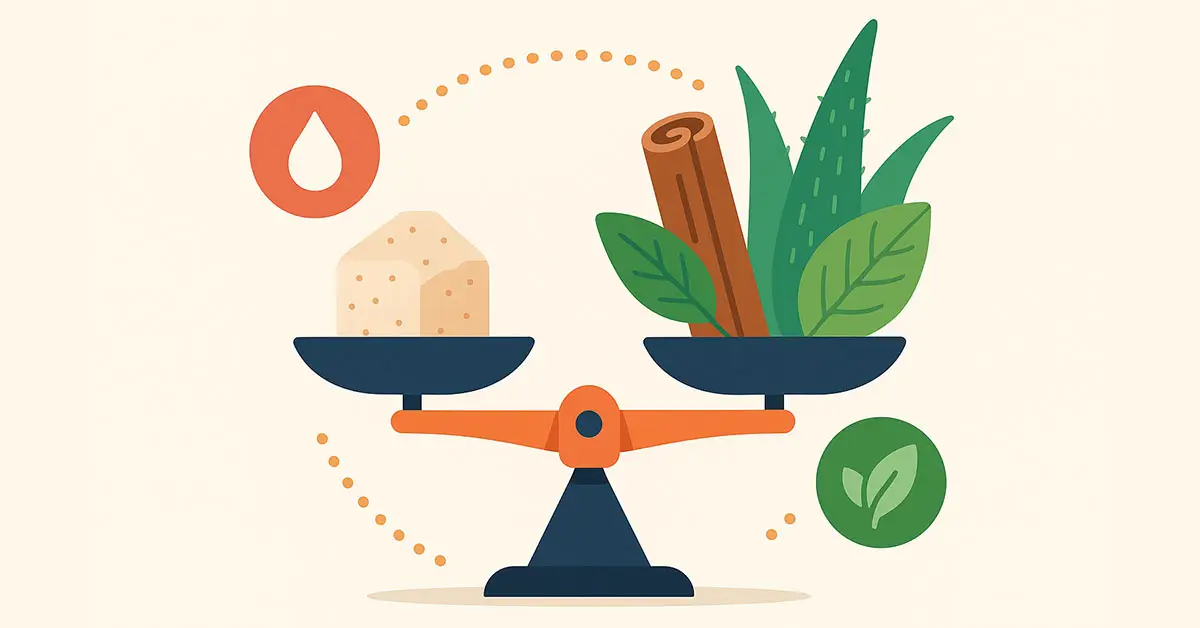
Keeping blood sugar within a healthy range is not only about avoiding energy crashes or sudden hunger.
Glucose regulation plays a key role in long-term metabolic health, cardiovascular function, and daily energy stability.
Nutrition, regular physical activity, and adequate sleep remain the foundation of blood sugar management.
In addition to these basics, some supplements may help the body process glucose more efficiently or reduce sharp rises after meals.
This article reviews 12 supplements that have been examined for their potential role in supporting healthy blood sugar levels, with a focus on how they may work and what has been observed in clinical settings.
Why Blood Sugar Balance Matters
Blood sugar is often discussed only in the context of diabetes.
In practice, stable glucose levels matter for everyone, regardless of diagnosis.
Frequent spikes and drops require the body to constantly compensate through insulin and stress hormones.
Over time, this can affect blood vessels, energy regulation, appetite control, and fat storage.
This is why blood sugar balance is closely linked to weight management, mental clarity, and healthy aging.
Supplements do not replace lifestyle habits.
However, certain nutrients and plant compounds have been explored for their ability to support insulin sensitivity, slow carbohydrate absorption, or assist pancreatic function.
When used thoughtfully, they can complement a structured approach to blood sugar control.

12 Supplements Commonly Used for Blood Sugar Support
1. Cinnamon
Cinnamon is widely used as a culinary spice, but it has also been examined for its effects on glucose regulation.
Compounds naturally present in cinnamon may help cells respond more effectively to insulin, the hormone that moves glucose from the bloodstream into tissues.
Cinnamon may also slow stomach emptying, which can reduce sharp post-meal increases in blood sugar.
In a clinical study published in 2021, adults with elevated blood sugar who consumed cinnamon daily showed modest improvements in fasting and post-meal glucose levels.
2. Berberine
Berberine is a plant-derived compound extracted from sources such as barberry.
It has been examined for its ability to activate AMPK, an enzyme involved in glucose uptake and insulin sensitivity.
Several clinical trials have reported reductions in fasting glucose and HbA1c when berberine was used consistently.
Digestive discomfort can occur in some individuals, especially at higher doses.
3. Alpha-Lipoic Acid
Alpha-Lipoic Acid is involved in cellular energy production and glucose transport.
It may help muscles absorb glucose more efficiently, which can reduce circulating blood sugar levels.
ALA has also been studied for nerve support, a consideration for long-term glucose imbalance.
4. Chromium
Chromium is a trace mineral involved in carbohydrate metabolism.
It helps insulin bind more effectively to its receptors, supporting glucose uptake by cells.
Supplementation appears more relevant when dietary intake is low.
Some clinical trials have reported modest improvements in insulin sensitivity among individuals with impaired glucose control.
5. Magnesium
magnesium participates in hundreds of enzyme-driven processes, including those involved in insulin signaling.
Low magnesium status is commonly associated with reduced insulin sensitivity.
Improving intake may help smooth daily glucose fluctuations, particularly when deficiency is present.
6. Vitamin D
Vitamin D influences immune signaling and pancreatic beta cell function.
Low vitamin D levels are frequently observed in individuals with impaired glucose regulation.
Supplementation may support insulin activity when a deficiency exists.
7. Gymnema Sylvestre
Gymnema has been studied for its ability to reduce sugar absorption in the intestine.
It may also influence taste receptors, which can reduce the appeal of very sweet foods.
8. Fenugreek
Fenugreek seeds are rich in soluble fiber, which slows carbohydrate digestion.
This may help reduce post-meal glucose rises.
9. Aloe Vera
Purified Aloe Vera gel has been examined for its effects on fasting glucose and HbA1c.
Benefits appear modest and more relevant in individuals with elevated baseline levels.
10. American Ginseng
American Ginseng has been studied for its ability to reduce post-meal glucose levels.
It may support glucose uptake when taken before carbohydrate-rich meals.
11. Nopal Cactus
Nopal Cactus is rich in fiber, which slows sugar absorption in the digestive tract.
It has been examined for its ability to reduce post-meal glucose rises.
12. Curcumin
Curcumin is the main active compound in turmeric.
It has been explored for its role in inflammation control and insulin sensitivity.
Absorption is improved when combined with piperine.
Precautions
Several supplements discussed here can interact with medications that affect blood sugar.
Using multiple products together may increase the risk of low blood sugar.
If you are pregnant, breastfeeding, or taking medication, professional guidance is recommended before adding supplements.
Final Thoughts
Blood sugar support works best when multiple habits align.
Balanced nutrition, regular movement, adequate sleep, and targeted supplementation each play a role.
These supplements are best viewed as supportive tools, not stand-alone solutions.
Used appropriately, they may help promote steadier energy levels and long-term metabolic balance.


Latest



Our Content Guidelines
Our content provides educational information about supplements and wellness topics.
-
 Evidence-informed content
We reference peer-reviewed studies and established scientific literature where available. -
 Clear sourcing & transparency
Sources and references are provided when evidence exists, allowing readers to explore further. -
 Updated to reflect new evidence
Articles are updated as new information becomes available.