

Cellulite and Supplements: What Is Known and What to Consider
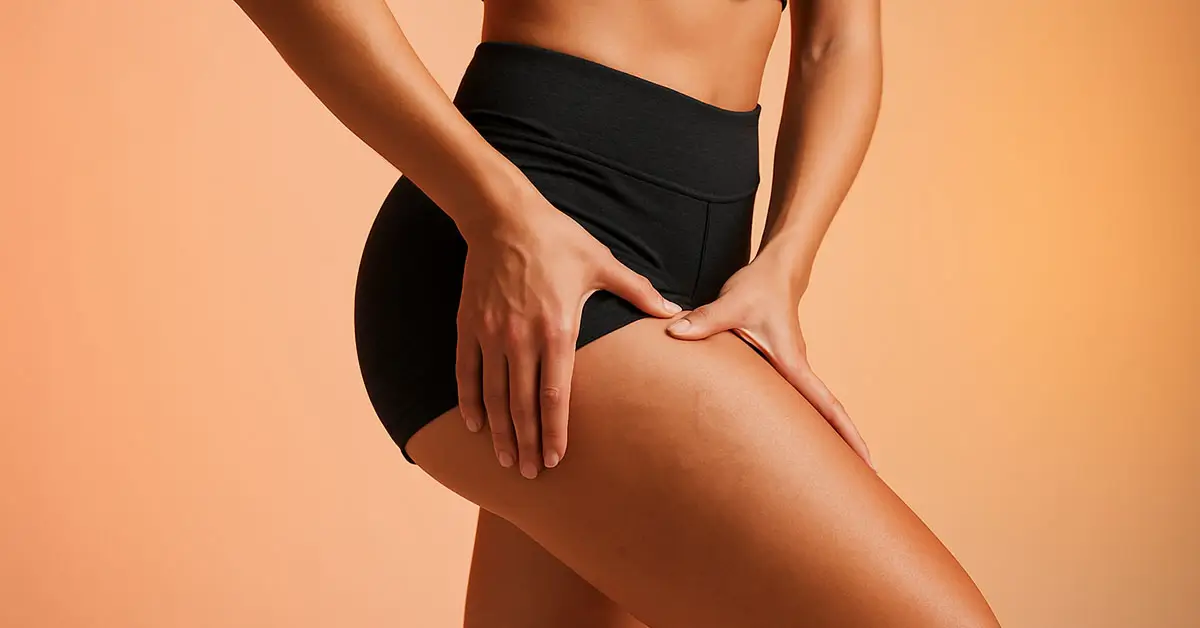
Cellulite refers to the uneven, dimpled skin texture that can appear when fat pushes against connective tissue beneath the skin. It is most commonly seen on the thighs, hips, and buttocks. Hormones, circulation, collagen structure, genetics, and daily habits all influence how noticeable it becomes.
No supplement can eliminate cellulite on its own. Some nutrients are discussed because they may support skin structure, connective tissue integrity, circulation, or metabolic processes when used alongside consistent lifestyle habits. Nutrition, physical activity, sleep, hydration, and stress management remain central factors.
This article reviews supplements that are commonly mentioned in discussions about cellulite, explains the rationale behind their use, and highlights options that are unlikely to make a meaningful difference.
What Contributes to Cellulite?
Cellulite develops through several overlapping mechanisms. Hormonal changes, particularly those involving estrogen, can influence fat distribution and connective tissue arrangement. Reduced microcirculation may limit nutrient delivery and fluid drainage, while changes in collagen structure can make underlying fat more visible.
Genetics and body composition both play a role, but cellulite is not limited to any specific body type. Because multiple systems are involved, nutrition is sometimes considered as a way to support the underlying processes rather than directly changing skin texture.
Supplements Commonly Discussed
Collagen Peptides
Collagen is a structural protein found in skin and connective tissue. Hydrolyzed collagen peptides provide amino acids that the body uses to maintain collagen and elastin turnover.
📊 Clinical Observation: In a controlled trial, participants taking collagen peptides showed improvements in skin elasticity and self-reported skin texture over several months. Changes were gradual and varied between individuals.
Gotu Kola (Centella asiatica)
Gotu Kola is traditionally used in contexts related to circulation and connective tissue support. It is often included in formulations aimed at skin comfort and tissue tone.
📊 Clinical Context: Small human studies and combination formulas containing Centella have reported perceived changes in skin firmness. Study sizes are limited, and results are not specific to cellulite alone.
Green Tea Extract (EGCG)
Green tea catechins, particularly EGCG, are discussed for their role in fat metabolism and antioxidant protection. These properties may indirectly support body composition and skin quality over time.
📊 Clinical Context: Human trials show modest effects on fat metabolism when combined with diet and activity. Data focused specifically on cellulite remains limited.
Caffeine (Oral)
Caffeine supports alertness and metabolic processes related to fat breakdown. When taken orally, its effects on cellulite are indirect and generally subtle.
Topical caffeine is more commonly associated with short-term skin smoothing. Oral intake is typically discussed in the context of broader body composition support rather than localized skin changes.
📊 Clinical Context: Research on oral caffeine focuses on metabolism and performance. Cellulite-specific outcomes are not well established.
Grape Seed Extract (OPCs)
Grape seed extract contains oligomeric proanthocyanidins (OPCs) that support microvascular function and connective tissue stability.
📊 Clinical Context: Human studies show benefits for circulation and fluid balance in venous conditions. Direct studies on cellulite are limited.
Hyaluronic Acid and Vitamin C
Hyaluronic acid supports skin hydration, while vitamin C is required for normal collagen synthesis.
📊 Clinical Context: Oral intake has been associated with changes in skin hydration and elasticity. Cellulite-specific outcomes are rarely measured.
Pine Bark Extract
Pine bark extract, often sold as Pycnogenol®, contains procyanidins that support endothelial function and microcirculation.
📊 Clinical Context: Studies in circulation and skin aging show improvements in elasticity and comfort. Evidence specific to cellulite remains limited.
Supplements With Limited Evidence
- Ginkgo biloba: Studied for circulation, but not shown to meaningfully affect cellulite.
- Omega-3 fatty acids: Support general skin health, without specific evidence for cellulite.
- Detox teas and cleanses: Often marketed aggressively, with little relevance to skin structure.
- Multi-herb blends: May affect water balance temporarily without addressing connective tissue.
Safety and Expectations
Choose products that provide third-party testing and clear labeling. If you are pregnant, breastfeeding, taking medication, or managing a medical condition, consult a qualified professional before supplementing.
When changes occur, they tend to be gradual and modest, often taking weeks to months. Supplements should be viewed as supportive, not corrective.
Lifestyle Still Matters Most
- Nutrition: Adequate protein, minerals, and antioxidants support connective tissue.
- Movement: Strength training and regular activity support circulation and body composition.
- Sleep and stress: Hormonal balance and recovery influence both skin and fat distribution.
Supplements may complement these habits, but they do not replace them.
Frequently Asked Questions
Can supplements get rid of cellulite?
No supplement can permanently eliminate cellulite. Some may support skin quality or circulation, which can influence appearance over time.
How long would changes take?
Skin turnover is slow. If any change occurs, it typically takes several months and depends on overall lifestyle consistency.
Are oral supplements or topical products better?
Topicals may offer temporary surface effects. Oral supplements act systemically and are discussed for longer-term support, though changes are subtle.
Who should avoid these supplements?
People who are pregnant, breastfeeding, or taking medications should seek professional guidance before use.
This article is for informational purposes only and does not replace professional medical advice.


Latest


Our Content Guidelines
Our content provides educational information about supplements and wellness topics.
-
 Evidence-informed content
We reference peer-reviewed studies and established scientific literature where available. -
 Clear sourcing & transparency
Sources and references are provided when evidence exists, allowing readers to explore further. -
 Updated to reflect new evidence
Articles are updated as new information becomes available.