

Why Colostrum Is Gaining Attention for Skin Health and Immune Support
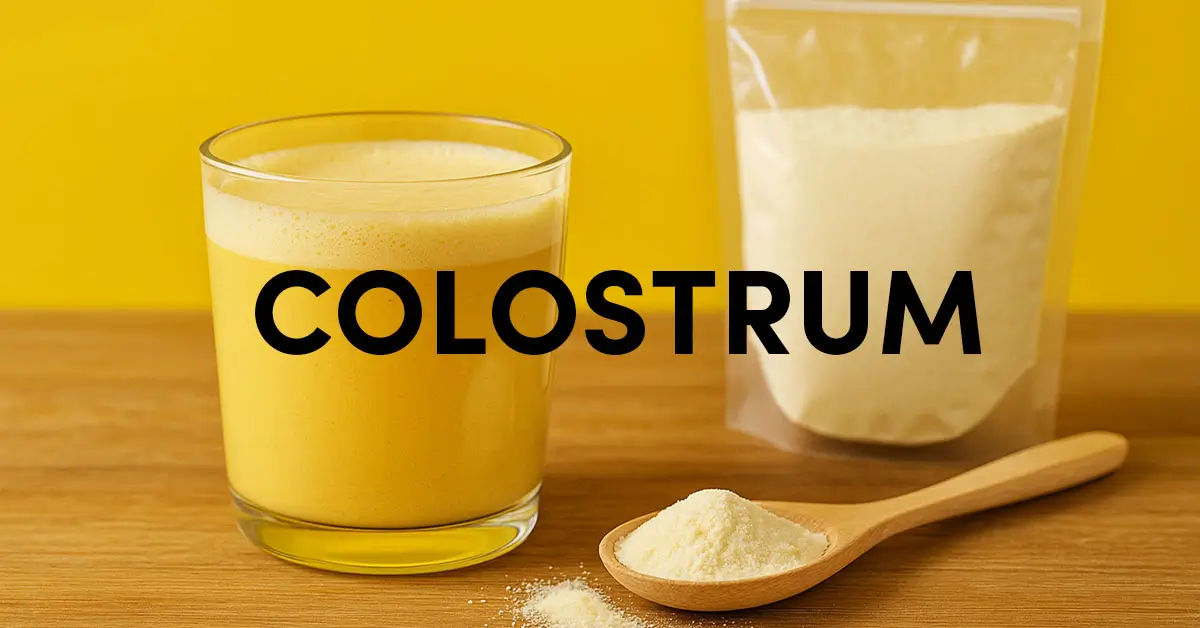
If you spend time reading wellness content online, you have likely noticed colostrum appearing more and more often.
Once limited to niche nutrition circles, this early form of milk is now discussed in routines focused on skin health and everyday immune support.
Colostrum is the first milk produced by mammals shortly after birth. It contains a concentrated mix of proteins and signaling compounds that support growth, protection, and recovery.
These same properties help explain why colostrum is now used by adults looking to support skin quality and immune balance.
This article looks at how colostrum may support skin and immunity, what current human data shows, and how to use it realistically.
Colostrum and Skin Health
Skin health depends on a strong barrier, good hydration, and efficient repair. Colostrum contains growth factors and proteins that support these processes, which is why it is used both orally and in topical skincare products.
Topical formulations containing colostrum extracts have been shown to improve skin hydration and reduce water loss over several weeks of use. These effects are linked to better barrier function, which helps the skin retain moisture and stay more resilient.
When taken orally, colostrum may support skin quality indirectly by helping the body manage inflammation and supporting tissue repair. This inside out approach is why some people combine supplements with topical care.
Colostrum and Common Skin Concerns
Colostrum has also been explored for use in specific skin issues. In adults with mild to moderate acne, milk derived compounds such as lactoferrin have been associated with reductions in blemishes and oiliness when used consistently.
For eczema prone skin, milk based topical products have been used to support the skin barrier and soothe irritation, particularly in sensitive populations. These effects are linked to improved moisture retention and calmer immune activity at the skin level.
In rosacea, direct data on colostrum is still limited. However, its known effects on barrier support and immune balance provide a reasonable explanation for why some people with reactive skin choose to try it as part of a gentle routine.
Colostrum for Immune Support
The immune system relies heavily on barrier tissues such as the gut and respiratory lining. Colostrum contains immunoglobulins and lactoferrin, compounds that help support these first lines of defense.
In human trials, bovine colostrum supplementation has been linked to fewer upper respiratory symptoms in physically active adults and improved markers of gut barrier integrity. These effects help explain its popularity among athletes and people who travel frequently.
Rather than stimulating immunity aggressively, colostrum is generally used to support balance and resilience, especially during periods of physical or mental stress.
Dosage and How to Use Colostrum
Most adult supplement protocols use between 10 and 20 grams of bovine colostrum powder per day, often divided into two servings. These amounts are typically used for several weeks to assess tolerance and response.
For skin focused use, topical creams containing around 15 percent colostrum extract applied twice daily for about 8 weeks have shown measurable improvements in hydration and barrier function.
Safety, Quality, and Considerations
Not all colostrum products are equal. Quality supplements specify early harvest timing, gentle processing, and verified immunoglobulin content. Third party testing adds another layer of reassurance.
Most healthy adults tolerate colostrum well. Mild digestive discomfort can occur at the start, especially at higher doses. Starting with a smaller amount and increasing gradually often helps.
Avoid colostrum if you have a dairy allergy. If you are pregnant, breastfeeding, or using medications that affect immune function, speak with a healthcare professional before use.
Bottom Line
Colostrum is gaining attention because it supports two areas many people care about: skin quality and everyday immune resilience. Its effects are tied to barrier support, hydration, and balanced immune activity.
Colostrum can be a useful addition to a well rounded wellness routine.
FAQs About Colostrum
What exactly is bovine colostrum?
Bovine colostrum is the first milk produced after a calf is born. It is naturally rich in immunoglobulins, lactoferrin, and growth factors that support immunity and barrier function.
Can colostrum improve skin health?
Early human data suggests topical colostrum may improve hydration and reduce transepidermal water loss. Orally, it supports gut and immune function, which can indirectly help skin balance.
Can colostrum help with eczema?
Preliminary studies suggest milk-based topicals, including colostrum, may help soothe eczema symptoms by improving barrier function and reducing inflammation. Evidence is still limited but promising.
Can colostrum help with acne?
Yes, small clinical studies show that colostrum-based creams and oral lactoferrin (a protein found in colostrum) may reduce acne lesions and oiliness. More research is needed for long-term use.
Can colostrum help with rosacea?
Direct evidence is scarce, but the anti-inflammatory and barrier-supporting compounds in colostrum suggest potential benefits for rosacea-prone skin. Current support is more theoretical than proven.
Can you give colostrum to children?
Colostrum supplements are sometimes marketed for kids, especially for immunity. However, research in children is limited. Always consult a pediatrician before use, particularly if your child has allergies or immune conditions.
How long until I notice results?
For topical use, many people assess changes after 6 to 8 weeks. For oral use, immune or gut comfort benefits are often evaluated after 2 to 8 weeks of consistent intake.
What is a typical dosage?
Oral powder: 10 to 20 g per day, usually split morning and evening, for 4 to 8 weeks. Topical: creams around 15 percent colostrum extract applied twice daily for 8 weeks.
Should I take colostrum on an empty stomach or with food?
Empty stomach is preferred for absorption. If you feel digestive discomfort, take it with a light meal and build up gradually.
Is colostrum safe?
It is generally well tolerated in healthy adults. Avoid if you have a dairy allergy. If you are pregnant, breastfeeding, immunosuppressed, or on immunomodulating therapy, talk with your clinician first.
Any side effects to watch for?
Occasional digestive upset can occur when starting. Reduce the dose or take with a light meal. Stop use and seek medical advice if you notice allergic reactions.
How do I choose a quality product?
Look for early harvest within 24 hours post calving, gentle processing, third party testing, and clear immunoglobulin content on the label. Transparent sourcing is a plus.
Bovine vs goat colostrum: is there a difference?
Both contain bioactive compounds. Bovine products are more common and better studied. Choose based on availability, tolerance, and label transparency.
Can I mix colostrum into coffee or smoothies?
Yes, but avoid very hot liquids if possible to protect heat sensitive proteins. Warm water or a cool smoothie works well.
Related Articles


Latest


Our Content Guidelines
Our content provides educational information about supplements and wellness topics.
-
 Evidence-informed content
We reference peer-reviewed studies and established scientific literature where available. -
 Clear sourcing & transparency
Sources and references are provided when evidence exists, allowing readers to explore further. -
 Updated to reflect new evidence
Articles are updated as new information becomes available.