

9 Surprising Benefits of Honey for Your Health
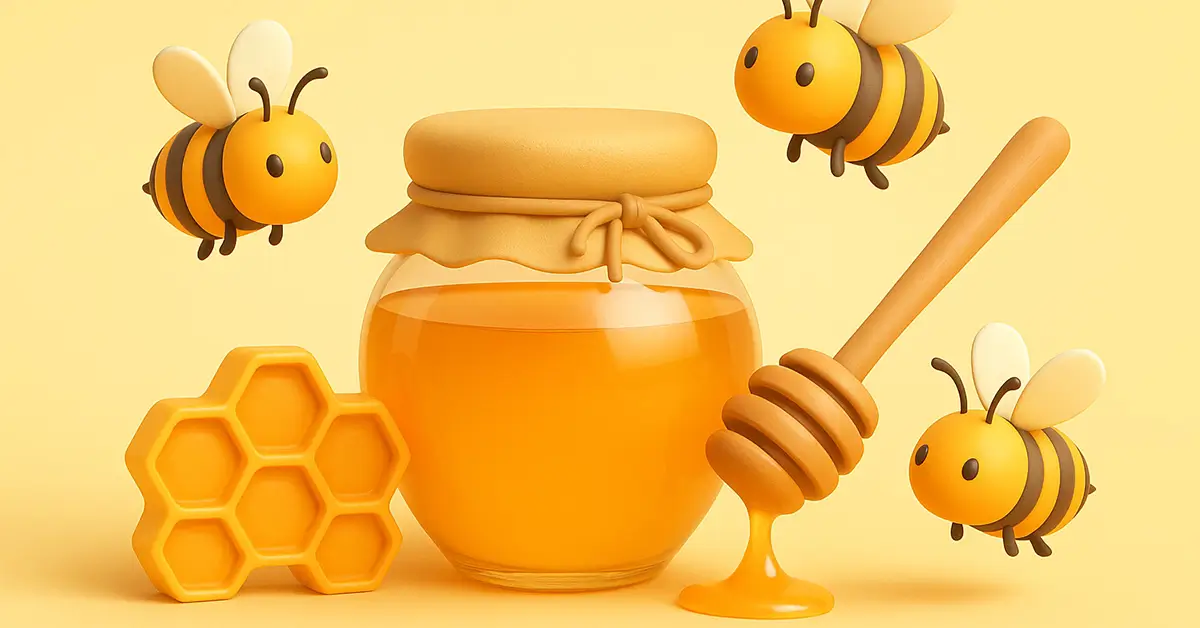
Honey is often used as a natural sweetener, but its role goes beyond flavor. It has been part of traditional diets and household remedies for centuries, mainly because of its unique composition of sugars, enzymes, and plant-derived compounds.
Today, honey is studied not as a cure, but as a food with properties that may support certain aspects of health when consumed or used appropriately.
Its effects depend on the type of honey, how it is processed, and how it is used.
Below are nine ways honey is commonly discussed in relation to health and everyday wellness, along with practical ways people tend to use it.
1. Provides Natural Antioxidant Compounds
Honey contains plant compounds such as flavonoids and phenolic acids. These compounds help limit oxidative stress, a process linked to cell damage over time.
Darker varieties of honey, including buckwheat honey and some raw honeys, tend to contain higher levels of these compounds compared to lighter, heavily processed honeys.
2. Used Topically for Skin and Wound Care
Honey has long been applied to the skin for minor cuts, burns, and irritations. Its thick texture helps create a moist barrier, which can support the skin's natural repair process.
In medical settings, sterilized, medical-grade honey is sometimes used under professional supervision. This is different from regular kitchen honey, which should not be applied to serious or infected wounds.
3. Helps Soothe Throat Irritation
Honey is often used to ease throat discomfort. Its texture can coat the throat, which may reduce irritation linked to coughing or dryness.
For children over one year of age and adults, honey is sometimes used as an alternative to flavored syrups, especially before bedtime.
4. Supports Normal Immune Function
Honey contains naturally occurring compounds with antibacterial properties. These compounds contribute to its long shelf life and are part of why honey has been traditionally valued during seasonal illnesses.
Rather than acting as a treatment, honey is best viewed as a supportive food that fits into an overall diet aimed at maintaining normal immune responses.
5. Contributes to Digestive Comfort
Honey contains small amounts of prebiotic compounds. Prebiotics are substances that help nourish beneficial gut bacteria.
Some studies have examined honey's interaction with certain bacteria in the digestive tract. While results vary, honey is often included in diets aimed at supporting digestive balance.
6. Provides a Readily Available Energy Source
Honey is primarily made up of glucose and fructose. These sugars are absorbed at different rates, which is why honey is often used before or during physical activity.
Because it is still a source of sugar, moderation remains important, especially for people managing blood sugar levels.
7. Supports Skin Hydration When Applied Topically
Honey acts as a humectant, meaning it helps attract and retain moisture. This property explains its frequent use in skincare products designed for dry or sensitive skin.
When used occasionally at home, honey is often applied as a short-term face mask, followed by gentle rinsing.
8. Discussed in Relation to Heart Health
Honey contains antioxidants that may help limit oxidative processes involved in cardiovascular aging.
Replacing refined sugar with small amounts of honey is sometimes discussed as a dietary adjustment that may support overall heart-friendly eating patterns.
9. A Less Refined Sweetener Option
Honey remains a form of sugar, but it differs from refined sugar in that it contains trace enzymes, minerals, and plant compounds.
It also has a slightly lower glycemic impact than table sugar, although portion size still matters.
Final Thoughts
Honey is not a treatment for disease, but it is a traditional food with characteristics that support everyday wellness. Its value lies in moderate use, quality sourcing, and realistic expectations.
As with any sugar-containing food, honey should be used mindfully, especially if you have diabetes or specific dietary restrictions.
Related Articles


Latest



Our Content Guidelines
Our content provides educational information about supplements and wellness topics.
-
 Evidence-informed content
We reference peer-reviewed studies and established scientific literature where available. -
 Clear sourcing & transparency
Sources and references are provided when evidence exists, allowing readers to explore further. -
 Updated to reflect new evidence
Articles are updated as new information becomes available.