

Gray Hair and Supplements: Understanding the Role of Nutrition
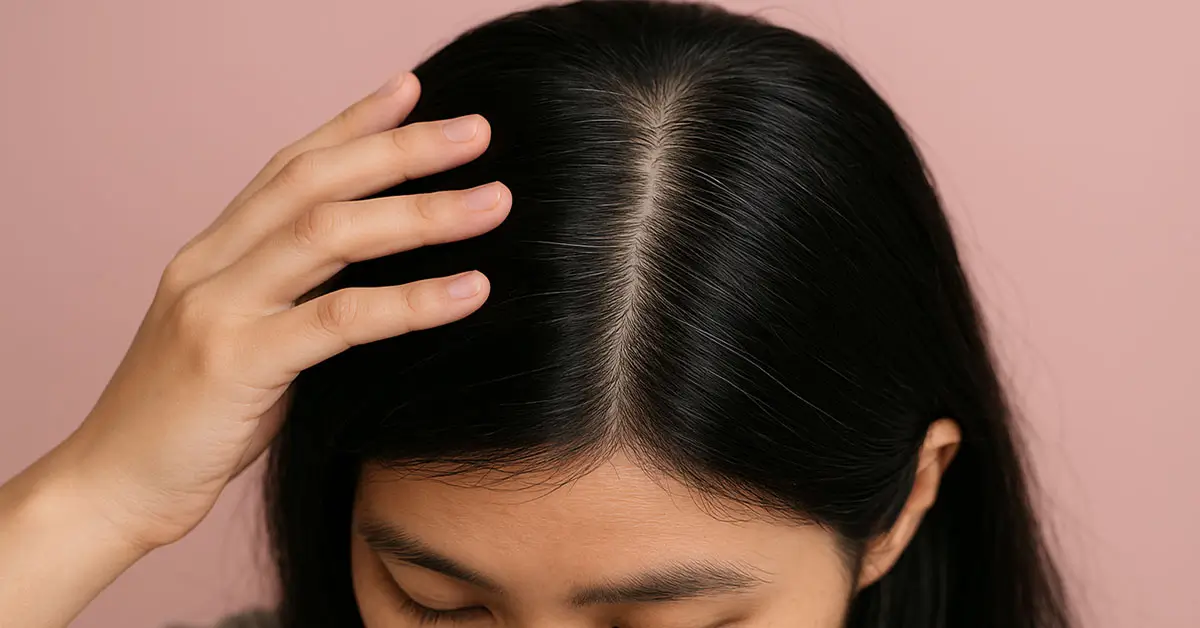
Noticing your first gray hair can be unexpected. For many people, graying is a normal part of aging, while for others it appears earlier. Genetics play a major role, but nutrition, oxidative stress, and overall cell function can also influence how hair pigment changes over time.
There is no supplement that can reliably turn gray hair back to its original color. However, certain nutrients are often discussed because they support the cells involved in pigment production or help reduce factors that may accelerate graying. This article explains what is commonly mentioned, where the limits are, and what to keep in mind.
Why Hair Turns Gray
Hair color depends on specialized cells called melanocytes. These cells produce melanin, the pigment responsible for hair, skin, and eye color. With age, melanocytes can become less active or stop producing melanin altogether. When this happens, new hair grows in gray or white.
Several factors may influence how quickly this process happens. Oxidative stress can damage pigment cells inside the hair follicle. Low intake or poor absorption of certain vitamins and minerals may also affect melanin production. Smoking, chronic stress, and environmental exposure can further strain these systems.
Can Supplements Change Gray Hair?
No supplement works for everyone, and none can guarantee a return of hair color. That said, some nutrients are discussed because they may help slow further graying or support pigment-related processes, especially when a deficiency is present.
Below are nutrients and compounds that are commonly mentioned in relation to gray hair, along with important context and limitations.
Catalase
Catalase is an enzyme involved in breaking down hydrogen peroxide. Hydrogen peroxide can build up inside hair follicles and interfere with pigment production. This buildup is often mentioned as one factor linked to graying.
The idea behind catalase supplementation is to support this breakdown process. Human data is limited, and responses vary. Catalase is rarely sold on its own and is more often included in enzyme blends or products marketed for gray hair.
PABA
PABA, or para-aminobenzoic acid, is sometimes associated with hair pigmentation. Older reports described darkening of gray hair in some individuals, though results were inconsistent and not universal.
PABA is related to B vitamins and is often discussed in the context of folate activity. It may be relevant for people with low intake of certain B vitamins, but it is not a reliable solution on its own.
Copper
Copper plays a role in melanin production and is required for enzymes involved in pigment formation. Low copper status has been observed in some people with early graying.
Copper intake needs to be balanced. Excess copper can be harmful. If dietary intake is low, small supplemental amounts may be considered, ideally after reviewing total intake from food and other supplements.
Fo-Ti (He Shou Wu)
Fo-Ti, also known as He Shou Wu, is a traditional herb used in East Asian practices. It has a long history of use in formulas associated with hair appearance and vitality.
Human data is limited, and quality varies between products. Prepared root forms are typically preferred. Fo-Ti may interact with medications and has been associated with liver issues in rare cases, so caution is important.
L-Tyrosine
L-Tyrosine is an amino acid involved in melanin production. Adequate intake supports normal pigment pathways in hair and skin.
Tyrosine is generally well tolerated and is often discussed as supportive rather than corrective. Its effects, if any, are gradual and depend on overall nutrition and stress levels.
B-Complex Vitamins
B vitamins are involved in hair growth and cellular energy processes. Deficiencies in B12, folate, or biotin have been associated with early graying in some people.
A B-complex supplement may be relevant for people with restricted diets, absorption issues, or increased needs. B12 supports oxygen delivery to follicles, while biotin contributes to hair structure.
Antioxidants
Oxidative stress can damage pigment cells over time. Antioxidants such as resveratrol, NAC, and alpha lipoic acid are often discussed because they help neutralize oxidative stress.
These compounds do not create pigment, but they may help preserve the environment in which pigment cells function.
Vitamin D and Iron
Low levels of vitamin D or iron can affect hair follicle function. Lower blood levels of these nutrients have been observed in some people with early graying.
Testing can help confirm a deficiency before supplementing. Correcting low levels is generally more effective than supplementing without confirmation.
Daily Habits That Matter
Supplements work best alongside supportive daily habits. Reducing oxidative stress and supporting general nutrition can influence how hair follicles function.
- Eat a balanced diet with adequate protein, minerals, and antioxidants.
- Manage stress through regular movement, relaxation, or breathing practices.
- Prioritize sleep, which supports cellular repair.
- Limit harsh chemical treatments and excessive heat styling.
Bottom Line
Gray hair is influenced by age and genetics, and no supplement can reliably reverse it. Some nutrients may support pigment-related processes or help slow further changes, particularly when a deficiency is present.
If graying appears suddenly or very early, discussing it with a healthcare professional may help identify contributing factors. A balanced approach that combines nutrition, lifestyle, and realistic expectations is the most sustainable path.
FAQs
Can supplements reverse gray hair?
No supplement can guarantee reversal. Some people notice changes when deficiencies are corrected, but results vary widely.
Which nutrients are most often discussed?
Catalase, B vitamins, copper, L-tyrosine, antioxidants, vitamin D, and iron are commonly mentioned, mainly in the context of deficiency or oxidative stress.
How long would changes take?
Hair grows slowly. Any noticeable change would typically take several months, if it happens at all.
Can stress affect hair color?
Stress can increase oxidative stress and may contribute to earlier graying in some people.
Who should be cautious with supplements?
People who are pregnant or breastfeeding, managing medical conditions, or taking prescription medications should seek professional advice before supplementing.
Related Articles


Latest


Our Content Guidelines
Our content provides educational information about supplements and wellness topics.
-
 Evidence-informed content
We reference peer-reviewed studies and established scientific literature where available. -
 Clear sourcing & transparency
Sources and references are provided when evidence exists, allowing readers to explore further. -
 Updated to reflect new evidence
Articles are updated as new information becomes available.