

10 Foods That May Help Ease Inflammation and Joint Pain
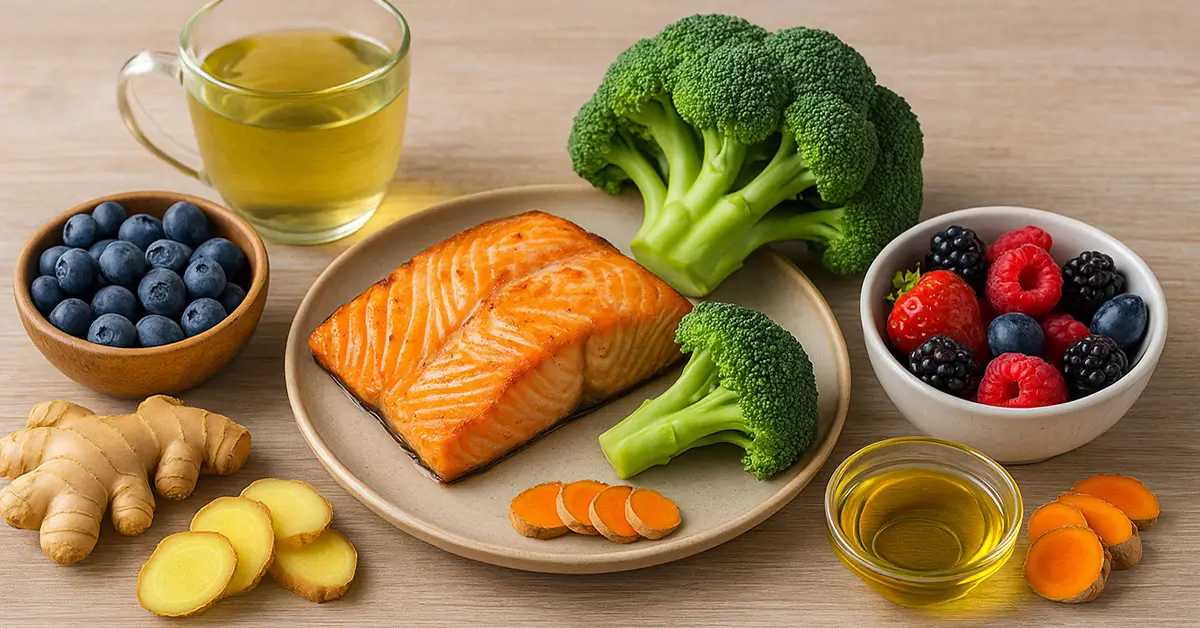
Stiff or aching joints are a common concern and can make everyday movement less comfortable. Ongoing inflammation is often part of the problem and may gradually affect mobility and quality of life.
Conditions such as arthritis and tendonitis involve persistent joint stress and irritation. While medication, movement, and physical therapy matter, daily food choices can also influence how joints feel over time.
Certain foods contain nutrients that help support joint comfort, manage inflammation, and maintain flexible movement.
Below are 10 simple and flavorful options that can fit easily into your meals and support healthier joints.
1. Fatty Fish: Salmon, Sardines, and Mackerel
Fatty fish are rich in omega-3 fatty acids, which are healthy fats your body can't make on its own. Omega-3s help reduce the production of compounds in your body that trigger inflammation. Eating salmon, sardines, or mackerel a couple of times a week can ease stiffness and support joint flexibility. If you're not a fan of fish, fish oil supplements like Krill oil or Salmon oil can be an alternative.
2. Cruciferous Vegetables: Broccoli, Kale, Brussels Sprouts
These crunchy green veggies contain sulforaphane, a natural plant compound. Scientists believe sulforaphane may slow down the process that damages cartilage in the joints. Cruciferous Vegetables like Broccoli help protect your joints from wear and tear. Add them roasted, in salads, or blended into soups for a tasty way to fight inflammation.
3. Turmeric
Turmeric is a golden-yellow spice widely used in curries and teas. Its active ingredient is curcumin, which has strong anti-inflammatory properties. Curcumin works a bit like a natural pain reliever by calming pathways in the body linked to swelling and discomfort. Since curcumin absorbs better with black pepper and healthy fats, try cooking with both to boost its benefits.
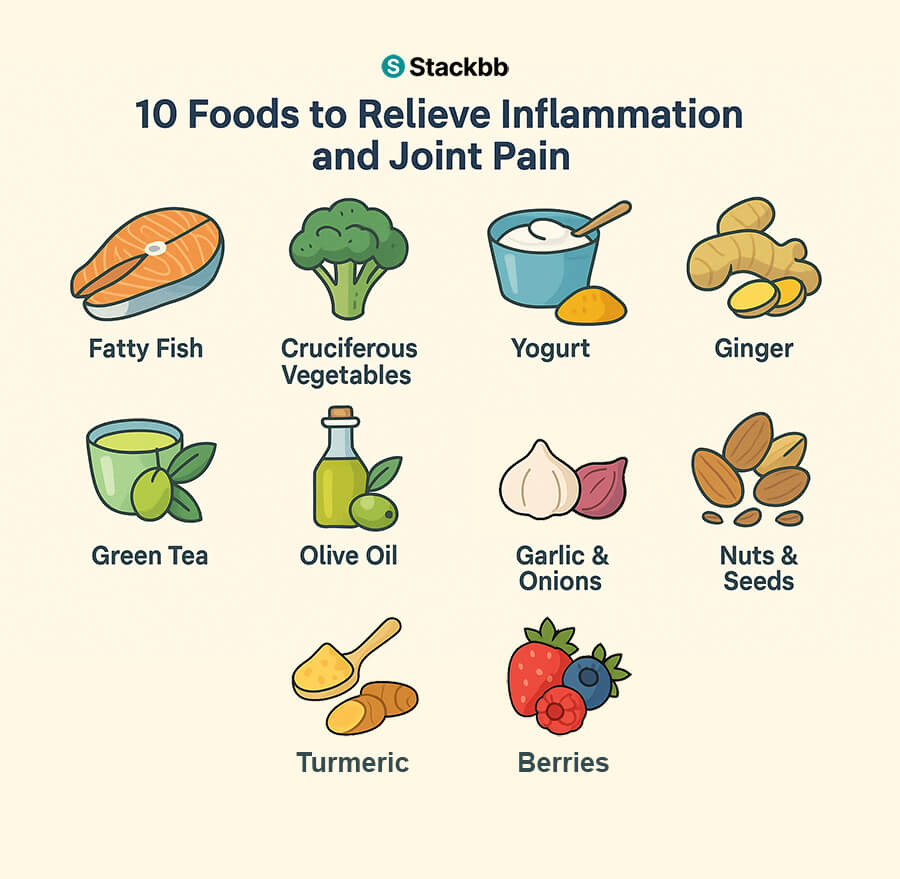
4. Yogurt and Fermented Dairy
Probiotic-rich foods like yogurt, kefir, and some soft cheeses support your gut health. A balanced gut microbiome (the community of bacteria living in your digestive system) helps regulate the body's immune response, which in turn can reduce overall inflammation. Choose unsweetened options and add fruit or nuts for a healthy snack.
5. Ginger
Fresh or ground ginger doesn't just add flavor to stir-fries and teas, it also contains gingerols. These are natural plant chemicals that block substances in your body linked to inflammation. In everyday terms, ginger helps calm irritated joints and may ease morning stiffness. Try ginger tea or add fresh slices to your meals.
6. Green Tea
Green tea is loaded with antioxidants called catechins, especially one known as EGCG. These antioxidants protect your cells from damage and may also prevent cartilage breakdown in the joints. Replacing your second coffee with a cup of green tea is a simple step that can support joint health while giving you a gentle energy boost.
7. Olive Oil
Extra virgin olive oil is rich in monounsaturated fats and natural compounds that help support the body's inflammatory balance. These components are commonly associated with improved joint comfort when used regularly as part of a balanced diet.
Using olive oil as your main cooking fat or salad dressing is a simple way to support joint health while also improving the flavor and nutritional quality of everyday meals.
8. Berries
Strawberries, blueberries, raspberries, and blackberries are bursting with antioxidants and vitamin C. These nutrients fight inflammation and help your body make collagen, which is the protein that keeps cartilage and tendons strong. Adding a handful of berries to your breakfast or smoothie is a sweet way to support joint health.
9. Garlic and Onions
Garlic and onions offer more than flavor. They contain natural sulfur based compounds that are involved in processes linked to joint and connective tissue support.
These compounds may help limit certain pathways associated with cartilage breakdown. Garlic and onions also support normal immune function, which plays a role in keeping inflammation balanced throughout the body.
Including garlic and onions regularly in meals is a simple way to support joint comfort as part of an overall anti inflammatory eating pattern.
10. Nuts and Seeds
Almonds, walnuts, chia seeds, and flaxseeds are small but mighty. They deliver healthy fats, protein, and minerals like magnesium, which play a role in reducing inflammation. A small handful of nuts or a spoonful of seeds sprinkled on salads or yogurt is a quick snack that nourishes your joints.
Other Tips for Joint Health
While these foods can make a difference, they work best as part of a larger lifestyle plan. Maintaining a healthy weight reduces stress on your joints. Regular exercise, especially strength training and stretching, helps keep them mobile. Drinking plenty of water and limiting processed foods, sugar, and fried foods also reduces inflammation.
Frequently Asked Questions
Can diet alone reduce arthritis pain?
Food can't cure arthritis, but a diet rich in anti-inflammatory foods may ease pain and improve mobility over time.
How long before I notice improvements?
Everyone is different, but some people report feeling less stiffness within a few weeks. Consistency is key—results build up over months.
Are supplements better than food?
Supplements like fish oil or turmeric capsules can help, but whole foods provide a broader mix of nutrients and fiber. They work best together.
Should I avoid nightshade vegetables like tomatoes and peppers?
There is no strong scientific evidence that nightshades cause joint pain for most people. In fact, many are rich in vitamins and antioxidants. Only avoid them if you personally notice sensitivity.
What's the best drink for joint inflammation?
Green tea, water with lemon, and herbal teas are excellent choices. Sugary sodas and alcohol can increase inflammation and are best limited.
Related Articles


Latest





Our Content Guidelines
Our content provides educational information about supplements and wellness topics.
-
 Evidence-informed content
We reference peer-reviewed studies and established scientific literature where available. -
 Clear sourcing & transparency
Sources and references are provided when evidence exists, allowing readers to explore further. -
 Updated to reflect new evidence
Articles are updated as new information becomes available.