

What Supplements Are Typically Used for Skin Elasticity and Wrinkles?
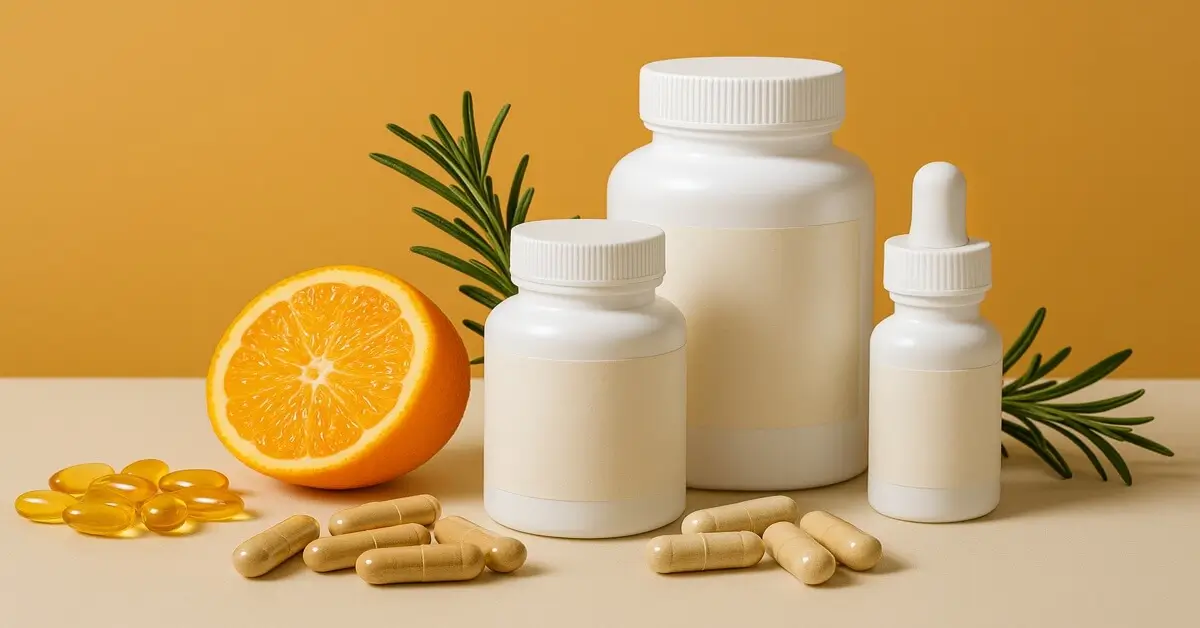
As we age, one of the most noticeable changes in our appearance is the loss of skin elasticity and the gradual formation of wrinkles.
While some of this is inevitable, nutrition is often considered part of a broader approach to supporting skin structure and overall skin quality over time.
In this article, we highlight natural supplements that are commonly discussed for skin elasticity and a smoother, more resilient-looking complexion.
Understanding Skin Aging and Elasticity
Skin aging is primarily driven by internal factors (like hormonal changes and oxidative stress) and external factors (such as UV radiation and pollution). At the core of skin firmness lie two key proteins: collagen and elastin. These give skin its strength and flexibility. Over time, the body produces less of them, resulting in sagging and the appearance of fine lines.
Another important compound is hyaluronic acid, which retains moisture in the skin. With age, its natural levels decline, leading to dryness and a less plump appearance. Free radicals from the environment further accelerate collagen breakdown, making antioxidants and structural nutrients essential allies in any anti-aging routine.
Natural Supplements Commonly Used to Support Skin Elasticity
Collagen Peptides
Hydrolyzed collagen peptides are widely used in beauty-from-within routines. Collagen is a structural protein found in skin and connective tissue, and collagen supplements are commonly taken to support skin firmness, elasticity, and overall skin appearance as part of a balanced skincare approach.
Vitamin C
Vitamin C plays an important role in normal collagen formation and helps protect cells from oxidative stress. It is frequently included in skin-focused supplement routines to support skin tone, resilience, and protection against environmental stressors.
Hyaluronic Acid
Known for its moisture-binding properties, hyaluronic acid is commonly used to support skin hydration. Adequate hydration contributes to skin plumpness and elasticity, which can influence the appearance of fine lines over time.
Astaxanthin
Astaxanthin is a naturally occurring antioxidant derived from microalgae. It is often used in supplements designed to support the skin's defense against oxidative and environmental stress, which can affect skin texture and elasticity.
Coenzyme Q10 (CoQ10)
CoQ10 is naturally present in skin cells and plays a role in cellular energy production. As levels tend to decline with age, CoQ10 supplements are commonly included in routines aimed at supporting skin vitality and smooth-looking skin.
Silica (Silicon)
Silica is a trace mineral involved in connective tissue structure. It is often used alongside other skin-supportive nutrients to help maintain skin firmness and overall skin texture.
Vitamin E
Vitamin E is a fat-soluble antioxidant that helps protect cell membranes from oxidative damage. It is commonly paired with vitamin C in skin-focused supplements to support moisture balance and overall skin comfort.
Zinc
Zinc contributes to normal skin function and tissue maintenance. Adequate zinc intake supports skin renewal processes and is often considered part of a balanced approach to maintaining healthy-looking skin.
Omega-3 Fatty Acids
Omega-3 fatty acids, such as EPA and DHA, are important components of cell membranes and help support the skin's natural lipid barrier. They are commonly used to promote skin comfort, hydration, and overall skin balance.
Polyphenols (Grape Seed Extract, Green Tea)
Polyphenols are plant compounds valued for their antioxidant properties. Grape seed extract and green tea polyphenols (EGCG) are often included in supplements designed to support skin exposed to environmental and oxidative stress.
Synergies and Combination Ideas
Many people choose to combine certain nutrients as part of a broader beauty-from-within routine. Some combinations are popular because the nutrients involved play complementary roles in skin structure, hydration, and protection against environmental stress.
For example, collagen peptides are often paired with vitamin C, as vitamin C contributes to normal collagen formation. Hyaluronic acid is commonly included alongside these nutrients to support skin hydration, while antioxidants such as CoQ10 or astaxanthin are frequently used to help protect the skin from oxidative stress.
Rather than following a fixed formula, combination choices are usually adapted to individual needs, product formulations, and overall lifestyle.
Realistic Expectations and Skin Care Context
Supplements are best viewed as a supportive element within a comprehensive skincare approach. Changes in skin appearance tend to occur gradually and vary from person to person, depending on factors such as age, diet, hydration, sun exposure, sleep, and daily skincare habits.
Consistent use, combined with a balanced diet and healthy lifestyle, is generally more important than short-term or aggressive supplementation. Supplements are not a substitute for sun protection, topical skincare, or professional dermatological advice.
If you are pregnant, taking medication, or managing a health condition, it is advisable to consult a qualified healthcare professional before introducing new supplements.
Conclusion
Supporting skin elasticity and maintaining a smooth, healthy-looking complexion doesn't rely on quick fixes. Nutrition can play a supportive role alongside skincare, sun protection, and healthy lifestyle choices.
Nutrients such as collagen peptides, vitamins, antioxidants, and essential fatty acids are commonly included in skin-focused wellness routines. When approached with realistic expectations and consistency, they can form part of a balanced strategy aimed at maintaining skin comfort, hydration, and overall appearance over time.
Related Articles


Latest




Our Content Guidelines
Our content provides educational information about supplements and wellness topics.
-
 Evidence-informed content
We reference peer-reviewed studies and established scientific literature where available. -
 Clear sourcing & transparency
Sources and references are provided when evidence exists, allowing readers to explore further. -
 Updated to reflect new evidence
Articles are updated as new information becomes available.