

Liver Detox: What Actually Supports Liver Health
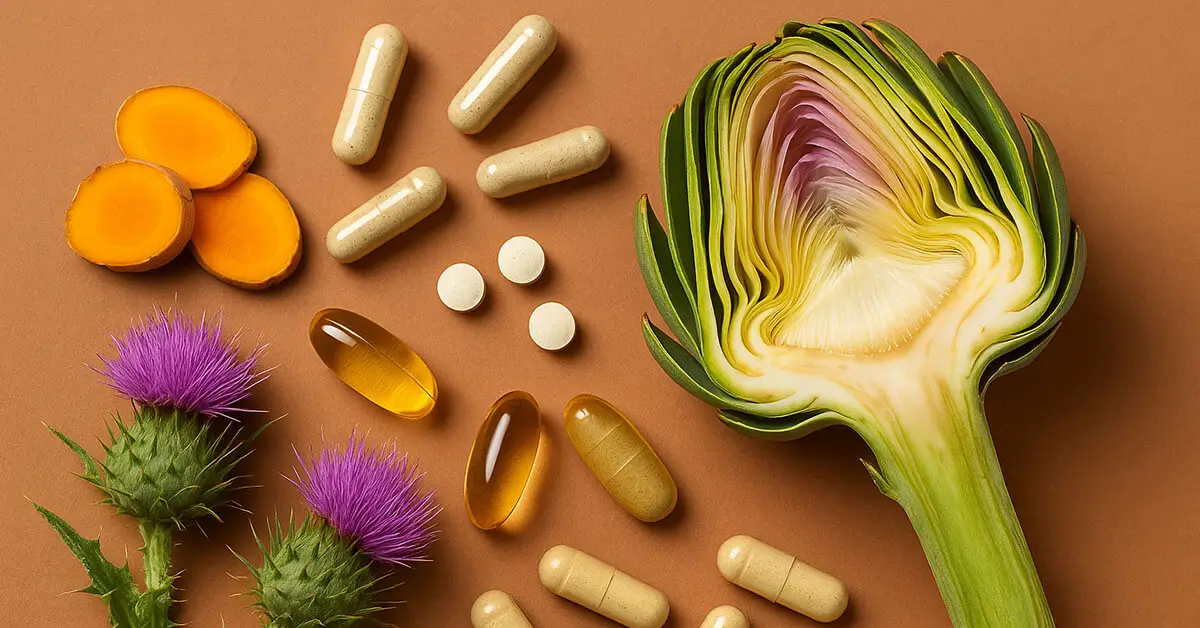
The liver already plays a central role in detoxification without the need for extreme cleanses. This article explains how that process works and what is commonly mentioned in discussions around liver support.
I based this overview on published medical literature and long-term usage observations related to liver health.
How the Liver Handles Detoxification
The liver is one of the body's primary metabolic organs.
It continuously processes substances such as alcohol, medications, hormones, and environmental compounds, converting them into forms that can be eliminated through urine or stool.
This process is often referred to as detoxification, but it does not involve the storage or flushing of toxins.
In healthy individuals, this system operates continuously and does not require periodic cleanses, fasts, or extreme detox programs.
Do You Really Need to Detox Your Liver?
In most cases, no.
The liver is designed to function without external "detox" interventions.
However, certain lifestyle factors may increase the workload placed on the liver over time.
These include diets high in ultra-processed foods, excessive alcohol intake, long-term medication use, limited physical activity, and chronic stress.
Supporting liver health generally involves reducing ongoing stressors and providing conditions that allow normal liver function to operate efficiently.
Habits Commonly Associated With Liver Support
Balanced, Whole-Food Diet
Diet plays a central role in metabolic health.
Eating patterns rich in vegetables, fiber, and naturally occurring antioxidants are commonly discussed in relation to liver function.
Foods often mentioned include leafy greens, cruciferous vegetables, beets, garlic, berries, and sources of healthy fats such as olive oil and avocado.
Reducing intake of refined sugars, heavily processed foods, and excessive alcohol may help limit unnecessary metabolic strain.
Hydration and Digestive Support
The liver produces bile, which plays a role in fat digestion and waste elimination.
Adequate hydration supports this process as part of normal digestion.
Regular fluid intake throughout the day is generally sufficient for this purpose.
Herbal infusions are sometimes used as part of traditional dietary patterns, though plain water remains the primary source of hydration.
Nutrients and Supplements Commonly Discussed for Liver Health
Milk Thistle
Milk thistle contains silymarin, a plant-derived substance discussed in relation to liver cell protection.
It has been evaluated in clinical settings involving liver stress related to medication use and environmental exposure.
Use is typically discussed over sustained periods rather than short-term interventions.
N-Acetyl Cysteine (NAC)
NAC is involved in the body's production of glutathione, a molecule that participates in normal antioxidant processes.
It is commonly referenced in discussions around oxidative balance and liver metabolism.
Its use in medical settings does not translate to routine supplementation without professional guidance.
Artichoke Leaf
Artichoke leaf is traditionally used in dietary contexts related to digestion.
It is often mentioned in relation to bile production and digestive comfort.
Discussion typically centers on gradual support rather than immediate effects.
Turmeric (Curcumin)
Curcumin, a naturally occurring substance in turmeric, is discussed for its role in inflammatory balance.
It has been examined in relation to liver and gallbladder function as part of broader metabolic processes.
Approaches That May Be Unhelpful or Risky
Not all "detox" practices are benign.
Extreme fasting protocols, juice-only cleanses, laxatives, or unregulated detox products may lead to nutrient deficiencies, dehydration, or additional metabolic stress.
Combining multiple supplements without guidance may also increase unnecessary strain.
Liver support is generally discussed as a gradual process rather than an aggressive intervention.
When Medical Advice Is Important
Persistent symptoms such as abdominal pain, yellowing of the skin or eyes, dark urine, unexplained weight loss, or ongoing digestive issues warrant medical evaluation.
Individuals with diagnosed liver conditions or those taking prescription medications should consult a healthcare professional before introducing supplements.
Conclusion
The liver is highly efficient at performing its natural functions.
Supporting liver health typically involves consistent lifestyle habits, balanced nutrition, adequate hydration, and rest.
Short-term detox programs are not required for normal liver function.
This content is intended for informational purposes only and does not replace medical advice, diagnosis, or treatment.


Latest

Our Content Guidelines
Our content provides educational information about supplements and wellness topics.
-
 Evidence-informed content
We reference peer-reviewed studies and established scientific literature where available. -
 Clear sourcing & transparency
Sources and references are provided when evidence exists, allowing readers to explore further. -
 Updated to reflect new evidence
Articles are updated as new information becomes available.