

Colon Cleansing and Supplements: What to Know Before You Start
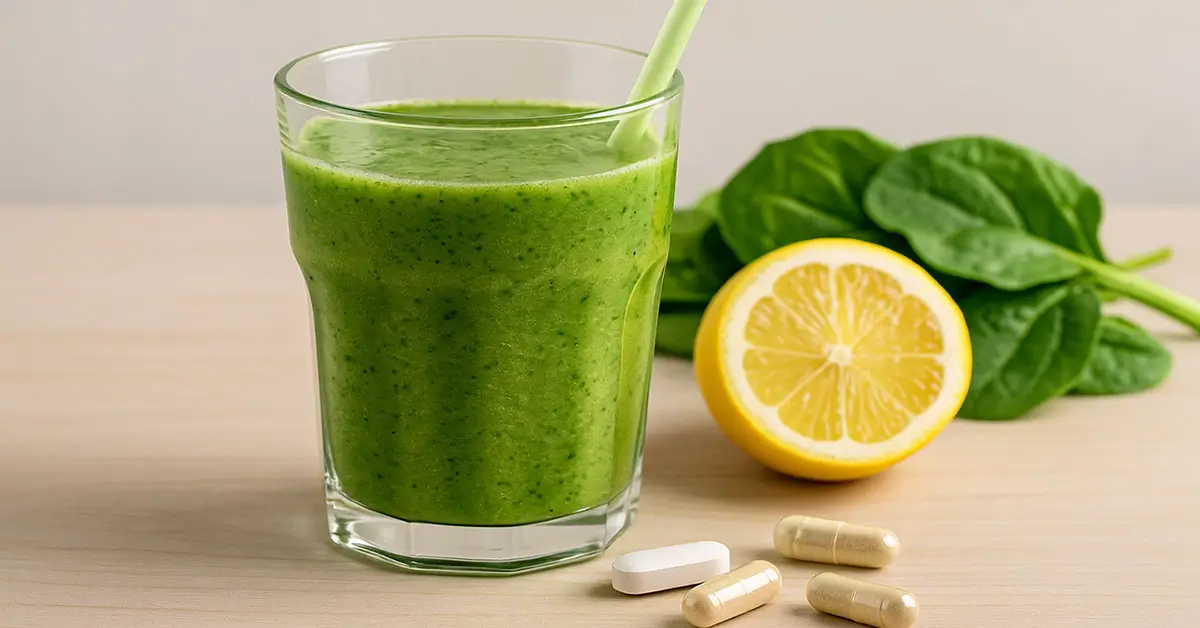
The idea of a colon cleanse often raises mixed opinions. Some people view it as unnecessary, while others see it as a way to support digestive comfort and regularity.
The body already has systems in place to process waste and maintain balance, mainly through the liver, kidneys, and digestive tract. For many people, these systems work well without additional intervention.
That said, gentle approaches focused on hydration, fiber intake, and digestive support are commonly used to promote regular bowel movements and overall comfort. If you choose to explore a natural colon cleanse, the focus should be on safety, moderation, and supportive habits rather than aggressive methods.
What Is a Colon Cleanse?
A colon cleanse refers to practices intended to support the function of the large intestine and promote regular elimination. Medical approaches, such as enemas or colon hydrotherapy, should only be performed under professional supervision.
Natural approaches rely on diet, fluids, herbs, and supplements to encourage normal digestion. While the colon is designed to maintain itself, certain lifestyle choices may help support this natural process and improve digestive comfort.
Safe DIY Colon Cleanse Methods
1. Fiber-Rich Foods
Fiber adds bulk to stools and helps move waste through the colon more efficiently. Fresh fruits, vegetables, legumes, and whole grains are excellent sources. Psyllium husk, a natural fiber supplement, is often used as part of colon cleanses and can improve regularity when taken with plenty of water.
2. Hydration
Drinking enough water is the simplest and most effective way to keep your colon functioning. Proper hydration softens stools, prevents constipation, and supports detoxification processes. Herbal teas and clear broths can also contribute to fluid intake.
3. Probiotics
A balanced gut microbiome is essential for digestive health. Probiotic foods like yogurt, kefir, sauerkraut, and kimchi, or high-quality probiotic supplements, can help restore healthy gut bacteria and improve digestion as part of a gentle cleanse.
4. Herbal Teas
Certain herbs have natural laxative or soothing properties. Senna tea is a well-known option but should be used sparingly, as overuse can cause cramping or dependence. Aloe vera juice, ginger tea, and dandelion root tea are gentler alternatives that may aid digestion and elimination.
5. Lemon Water & Apple Cider Vinegar
Starting the day with warm lemon water or diluted apple cider vinegar is a popular DIY method for stimulating digestion. While evidence is mostly anecdotal, many people find it helps with bloating and regularity, making it a simple addition to a colon-support routine.
Supplements That May Help
- Magnesium citrate: Draws water into the colon and can relieve occasional constipation, but should not be overused.
- Digestive enzymes: Support the breakdown of food, helping reduce bloating and improve nutrient absorption.
- Probiotics: Help maintain a healthy gut flora, support regular bowel movements, and reduce digestive discomfort.
What to Avoid
Be cautious of extreme "detox" programs, high-dose laxative teas, or repeated colonic hydrotherapy without medical guidance. Overdoing colon cleansing can cause dehydration, electrolyte imbalance, and irritation of the digestive tract. A safe approach focuses on balance, not aggressive purging.
Frequently Asked Questions
Is colon cleansing really necessary?
No, your body naturally detoxifies itself. A healthy lifestyle usually provides all the cleansing your colon needs. DIY methods should be seen as gentle support, not a replacement for your body's natural functions.
How often should you do a colon cleanse?
A balanced diet rich in fiber, hydration, and probiotics is safe daily. Herbal teas and supplements should be used occasionally, not every day, to avoid dependency or side effects.
Can I do a colon cleanse if I have IBS?
People with irritable bowel syndrome should approach cleanses with caution. Fiber and probiotics may help, but harsh laxatives or strong herbs can worsen symptoms. Always check with a healthcare provider first.
Are herbal laxatives safe?
Short-term use may be safe for most adults, but overuse can cause cramping, diarrhea, and electrolyte imbalances. Senna, in particular, should be used occasionally and under guidance.
What's the difference between a detox and a colon cleanse?
A detox usually refers to a broader approach targeting the liver, kidneys, and overall system, while a colon cleanse focuses specifically on supporting bowel movements and digestive health.


Latest

Our Content Guidelines
Our content provides educational information about supplements and wellness topics.
-
 Evidence-informed content
We reference peer-reviewed studies and established scientific literature where available. -
 Clear sourcing & transparency
Sources and references are provided when evidence exists, allowing readers to explore further. -
 Updated to reflect new evidence
Articles are updated as new information becomes available.