

9 Supplements for Kidney Stone Support
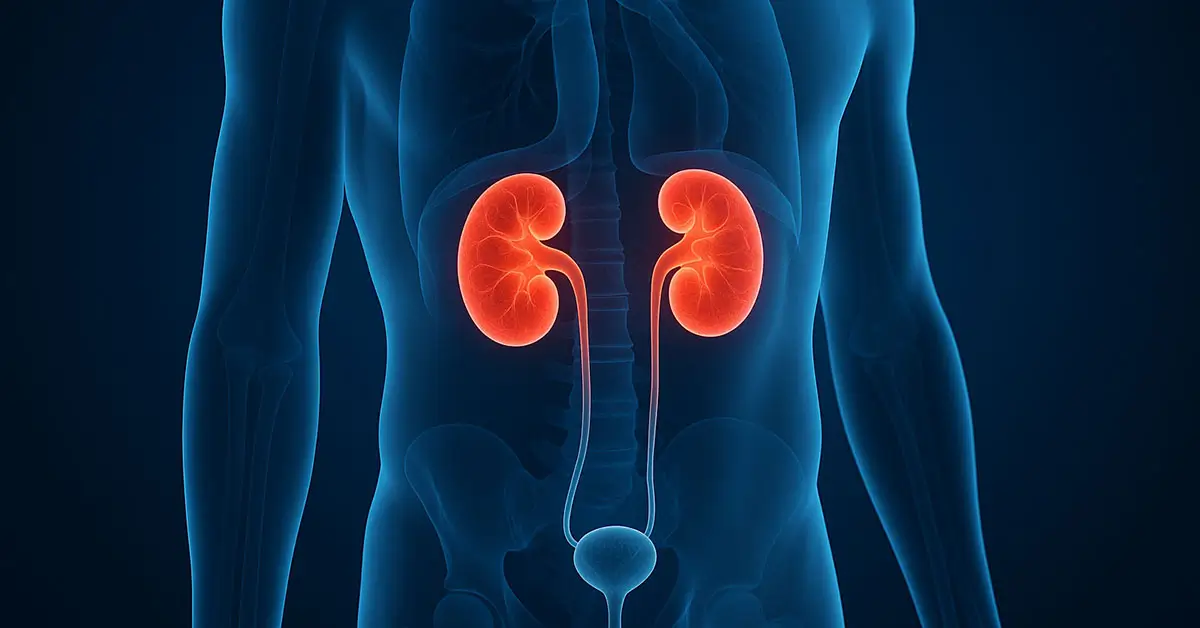
Kidney stone pain can be intense and disruptive.
Medical care is sometimes necessary, but certain supplements have been studied for their potential role in supporting urine flow, mineral balance, and stone passage.
Below is an overview of options discussed in research and clinical settings, along with practical guidance focused on safety and appropriate use.
Be aware that adding supplements to your routine can carry risks, and medical guidance should always be sought before starting any supplement, especially when dealing with kidney stones.
What Are Kidney Stones?
Kidney stones are hard deposits that form when minerals and salts, such as calcium and oxalate or uric acid, concentrate in the urine.
Dehydration, high sodium intake, dietary patterns, and genetic factors can all contribute.
Supportive strategies aim to reduce crystal aggregation, increase urine volume, and make stone passage easier.
Supplements Studied for Kidney Stone Support
Chanca Piedra
Chanca piedra is traditionally used to support urinary tract function.
Research describes antispasmodic and anti-crystallization properties that may help relax smooth muscle tissue and reduce the tendency of crystals to clump together.
It is most often used short term during periods of discomfort.
Magnesium Citrate
Magnesium is involved in mineral balance and may reduce the formation of calcium oxalate crystals.
The citrate form is of interest because citrate can bind calcium in urine, which may help limit crystal growth.
Clinical data suggest magnesium and citrate together may support stone management in some individuals.
Potassium Citrate
Potassium citrate increases urinary citrate and can make urine less acidic.
This environment is less favorable for certain types of stones, particularly calcium-based stones.
Because potassium intake can affect heart rhythm and blood pressure, medical guidance is important.
Vitamin B6 (Pyridoxine)
Vitamin B6 supports enzymes involved in oxalate metabolism.
Low B6 status has been associated with higher urinary oxalate levels, which may contribute to calcium oxalate stone formation.
Correcting a deficiency may help reduce oxalate excretion in some people.
Citric Acid (Lemon Juice)
Citric acid binds calcium in urine and can reduce crystal aggregation.
Lemon water is a simple dietary source of citrate and may support urinary chemistry when combined with adequate hydration.
This approach is typically used as part of a daily routine rather than a stand-alone solution.
Dandelion Root
Dandelion root has mild diuretic properties and may increase urine output.
Higher urine volume can help move small stones or crystals through the urinary tract.
People with plant allergies should use caution.
Nettle Leaf
Nettle leaf supports urinary flow and provides antioxidant compounds.
By promoting steady urine production, it may help reduce irritation and support the passage of very small stones.
Products made from nettle leaf are used for urinary support, not nettle root.
Vitamin D3
Vitamin D plays a role in calcium absorption and metabolism.
When used, it is often discussed alongside vitamin K2, which supports proper calcium distribution.
Monitoring blood levels is especially important for people who form stones frequently.
Calcium Citrate
Calcium citrate can bind dietary oxalate in the gut, reducing how much oxalate reaches the kidneys.
This approach is mainly relevant for people who consume high-oxalate foods or have low dietary calcium intake.
Excess calcium supplementation without guidance is not advised.
Additional Supportive Habits
Supplements work best when combined with simple lifestyle measures.
- Steady hydration: consistent fluid intake supports urine flow and stone passage.
- Citrus intake: lemon water provides natural citrate as part of daily hydration.
- Diet awareness: limiting excess sodium and very high animal protein intake may reduce stone risk.
- Symptom monitoring: worsening pain, fever, chills, or vomiting require medical evaluation.
- Optional add-ons: some people use diluted apple cider vinegar, though evidence is limited.
FAQ
Can supplements dissolve kidney stones?
Some supplements may support urinary chemistry and muscle relaxation, which can make it easier to pass small stones.
Large or obstructive stones usually require medical treatment.
Which supplements are most often discussed?
Chanca piedra, citrate-based supplements, magnesium, and vitamin B6 are among the most frequently studied options.
Are there supplements to avoid?
High-dose vitamin C may increase urinary oxalate.
Excessive calcium or vitamin D intake without supervision may also increase stone risk.
Is chanca piedra safe?
Short-term use is generally tolerated in healthy adults.
Medical advice is recommended if you are pregnant, nursing, or managing chronic conditions.
When should medical care be sought?
Seek medical attention for severe pain, fever, persistent vomiting, blood in urine, or inability to pass a stone.


Latest

Our Content Guidelines
Our content provides educational information about supplements and wellness topics.
-
 Evidence-informed content
We reference peer-reviewed studies and established scientific literature where available. -
 Clear sourcing & transparency
Sources and references are provided when evidence exists, allowing readers to explore further. -
 Updated to reflect new evidence
Articles are updated as new information becomes available.