

Managing Menopause: Supplements That May Help
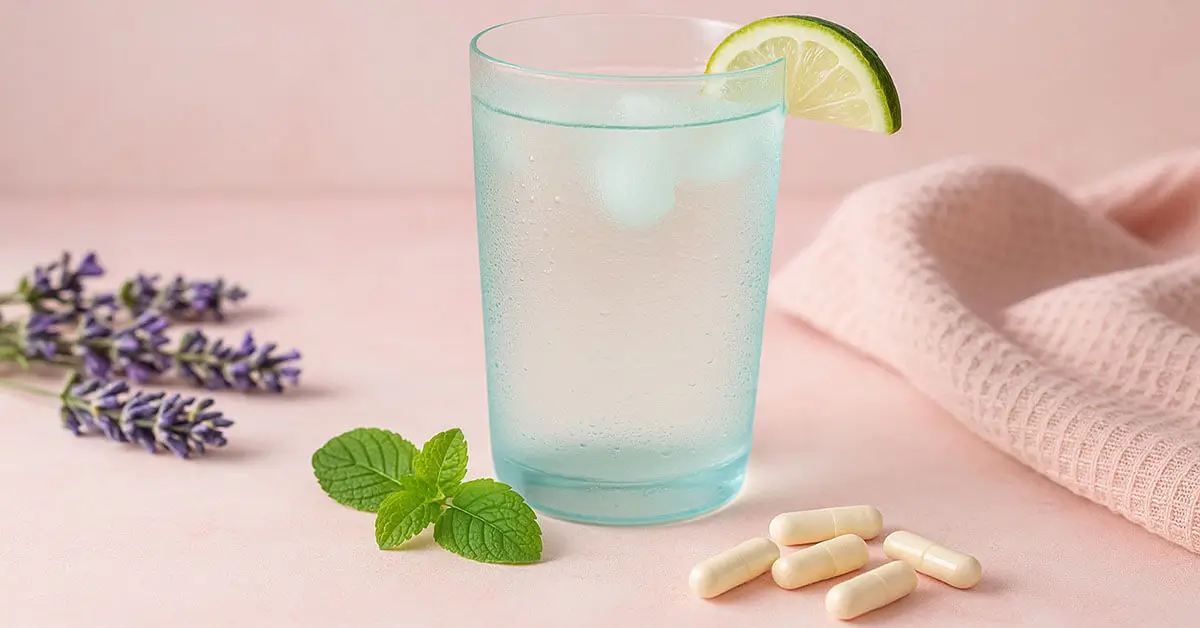
Menopause is a natural stage of life that reflects a gradual shift in hormone production. For many women, this transition comes with physical and emotional changes that can affect daily comfort, sleep quality, and overall well-being.
Hot flashes, night sweats, mood changes, and sleep disturbances are among the most commonly reported symptoms. Their intensity and duration vary widely, which is why there is no single approach that works for everyone.
This 2026 guide reviews 12 supplements that are commonly discussed for menopause support. These options are not treatments for menopause, but they may help ease certain symptoms and support quality of life when used appropriately.
Why Menopause Symptoms Can Be Challenging
During menopause, estrogen and progesterone levels decline. These hormonal shifts influence temperature regulation, bone turnover, sleep cycles, and mood-related signaling in the brain.
As a result, you may experience:
- Hot flashes and night sweats
- Difficulty falling or staying asleep
- Mood changes, irritability, or increased anxiety
- Changes in body composition, including abdominal weight gain
- Gradual loss of bone density
- Skin dryness or joint discomfort
Hormone therapy is one option, but it is not suitable or desirable for everyone. This is why many women explore non-hormonal strategies alongside lifestyle changes.
How Supplements May Support Menopause Comfort
Supplements do not stop menopause or reverse hormonal changes. Their role is more limited and supportive.
Depending on the nutrient or compound, supplements may help with:
- Temperature regulation and hot flash frequency
- Sleep quality and nervous system balance
- Mood stability during periods of hormonal fluctuation
- Bone and cardiovascular health after estrogen decline
Below are 12 supplements commonly discussed in relation to menopause-related symptoms.
12 Supplements Commonly Used During Menopause
1. Black Cohosh
Black cohosh is frequently used for hot flashes and night sweats. It does not act as estrogen, but it may influence temperature regulation pathways in the brain.
Some clinical trials have reported improvements in vasomotor symptoms, while others show mixed results.
2. Red Clover
Red clover contains isoflavones, plant compounds that can weakly interact with estrogen receptors. These compounds are studied for their role in hot flashes and bone health.
Responses vary, and benefits tend to be modest.
3. Ashwagandha
Ashwagandha is used to support stress response and sleep quality. During menopause, stress sensitivity may increase, which can worsen fatigue and mood changes.
This herb is often discussed for its calming effect on the nervous system.
4. Maca Root
Maca is a root vegetable traditionally used to support energy and mood. It does not contain phytoestrogens but may help the body adapt to hormonal changes.
Some women report improved well-being and libido over time.
5. Saffron Extract
Saffron has been studied for its role in mood regulation. During menopause, mood changes may be linked to both hormonal shifts and sleep disruption.
In a small clinical study from 2018, women taking saffron extract reported improvements in mood-related symptoms.
6. Magnesium (Glycinate)
Magnesium supports muscle relaxation, sleep quality, and nervous system balance. The glycinate form is often chosen for its good tolerance.
Low magnesium intake has been associated with sleep disturbances and increased tension.
7. Omega-3 Fatty Acids
Omega-3s are commonly discussed for cardiovascular health, joint comfort, and mood balance after menopause.
They may also support inflammatory balance, which can shift with hormonal changes.
8. Vitamin D3
Vitamin D plays a central role in bone health and muscle function. After menopause, maintaining adequate vitamin D status is important for bone density.
Vitamin D is often paired with vitamin K2.
9. Calcium (Citrate)
Calcium supports bone structure. The citrate form is often preferred for absorption, particularly in women over 50.
Dietary intake should always be considered alongside supplementation.
10. DIM (Diindolylmethane)
DIM is a compound derived from cruciferous vegetables. It is studied for its role in estrogen metabolism.
Some women explore DIM for symptoms linked to estrogen imbalance.
11. Probiotics (Women’s Formulas)
The gut microbiome influences hormone metabolism and immune signaling. Certain probiotic strains are studied for their role in gut and vaginal health.
12. Evening Primrose Oil
Evening primrose oil provides gamma-linolenic acid (GLA). It is commonly discussed for skin comfort and breast tenderness.
Responses to supplementation vary.
When Medical Advice Is Important
Menopause symptoms can sometimes overlap with other health conditions. Speaking with a healthcare professional is recommended if symptoms are severe, worsening, or affecting daily life.
This is especially important if you have a history of hormone-sensitive conditions or are taking prescription medications.
The Bottom Line
Menopause is a normal transition, but its symptoms can be challenging. Supplements may offer supportive benefits for certain symptoms when combined with healthy lifestyle habits.
Individual responses vary, and no supplement replaces personalized medical care.
Related Articles


Latest

Our Content Guidelines
Our content provides educational information about supplements and wellness topics.
-
 Evidence-informed content
We reference peer-reviewed studies and established scientific literature where available. -
 Clear sourcing & transparency
Sources and references are provided when evidence exists, allowing readers to explore further. -
 Updated to reflect new evidence
Articles are updated as new information becomes available.