

Digestive Enzymes Explained: Types, Uses, and Common Supplements
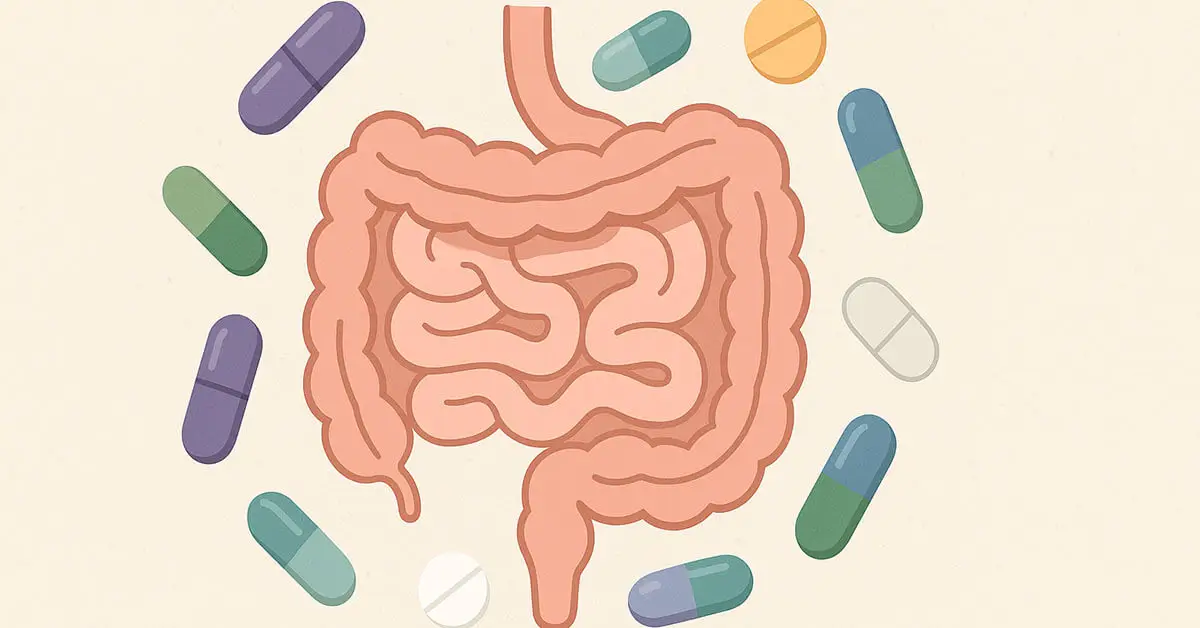
Digestive enzymes play a central role in breaking down food so nutrients can be absorbed.
This article explains how digestive enzymes function, the different types involved in digestion, and which enzyme supplements are commonly discussed in relation to digestive comfort.
With many digestive enzymes available, I developed this overview as an educational resource for readers seeking clear, practical information.
What Are Digestive Enzymes?
Digestive enzymes are proteins produced by the body to help break down food into smaller components.
They act on macronutrients such as carbohydrates, proteins, and fats, allowing these nutrients to be absorbed through the digestive tract.
Enzymes are released at different stages of digestion, including in the mouth, stomach, pancreas, and small intestine.
Why Digestive Enzyme Activity Matters
Efficient digestion depends on the presence of appropriate enzymes in sufficient amounts.
When enzyme activity is reduced, food may be broken down less completely, which can contribute to digestive discomfort.
Situations commonly discussed in relation to reduced enzyme activity include aging, dietary patterns, stress, and certain medical conditions.
Common Digestive Enzymes and Their Roles
| Enzyme | What It Breaks Down | Common Source |
|---|---|---|
| Amylase | Starches & carbs | Saliva, pancreas |
| Protease | Proteins | Stomach, papaya, pineapple |
| Lipase | Fats | Pancreas, ox bile |
| Lactase | Lactose (milk sugar) | Yeast, fungi |
| Cellulase | Fiber | Fungi |
| Papain | Proteins | Papaya |
| Bromelain | Proteins, inflammation | Pineapple |
Digestive Enzyme Supplements Commonly Discussed
Supplemental digestive enzymes are often used to complement the body’s natural enzyme production.
They are typically derived from plant, fungal, or microbial sources.
Bromelain
Bromelain is a pineapple-derived enzyme commonly discussed for its role in protein digestion.
It is frequently included in enzyme blends intended to support digestion after protein-rich meals.
Papain
Papain is obtained from papaya and is involved in breaking down proteins.
It is commonly used in digestive formulas and food processing applications.
Lactase
Lactase supports the digestion of lactose, the sugar found in dairy products.
It is often discussed in relation to lactose intolerance.
Lipase
Lipase plays a role in fat digestion.
It is commonly included in enzyme blends designed to support meals higher in fat content.
Amylase
Amylase is involved in carbohydrate digestion.
It helps break down starches into simpler sugars.
Ox Bile
Ox bile is not an enzyme but is sometimes included in digestive formulas.
It is discussed in relation to fat digestion and bile availability.
Choosing an Enzyme Supplement
Enzyme supplements are typically selected based on dietary patterns and digestive tolerance.
Multi-enzyme formulas combine several enzymes to cover a range of macronutrients.
Plant-based enzymes are commonly used due to their stability across different digestive environments.
Safety and Considerations
Digestive enzymes are generally well tolerated when used appropriately.
Potential side effects may include mild gastrointestinal discomfort.
Individuals with digestive disorders, gallbladder disease, or pancreatic conditions should seek medical advice before using enzyme supplements.
Conclusion
Digestive enzymes are an essential part of the body’s digestive process.
Supplemental enzymes are commonly discussed as a supportive option for digestive comfort in certain situations.
Understanding enzyme types and their roles helps support informed choices.
This content is intended for informational purposes only and does not replace medical advice, diagnosis, or treatment.


Latest




Our Content Guidelines
Our content provides educational information about supplements and wellness topics.
-
 Evidence-informed content
We reference peer-reviewed studies and established scientific literature where available. -
 Clear sourcing & transparency
Sources and references are provided when evidence exists, allowing readers to explore further. -
 Updated to reflect new evidence
Articles are updated as new information becomes available.