

Hair Loss in Men and Women: Causes, Nutrients, and Supplements
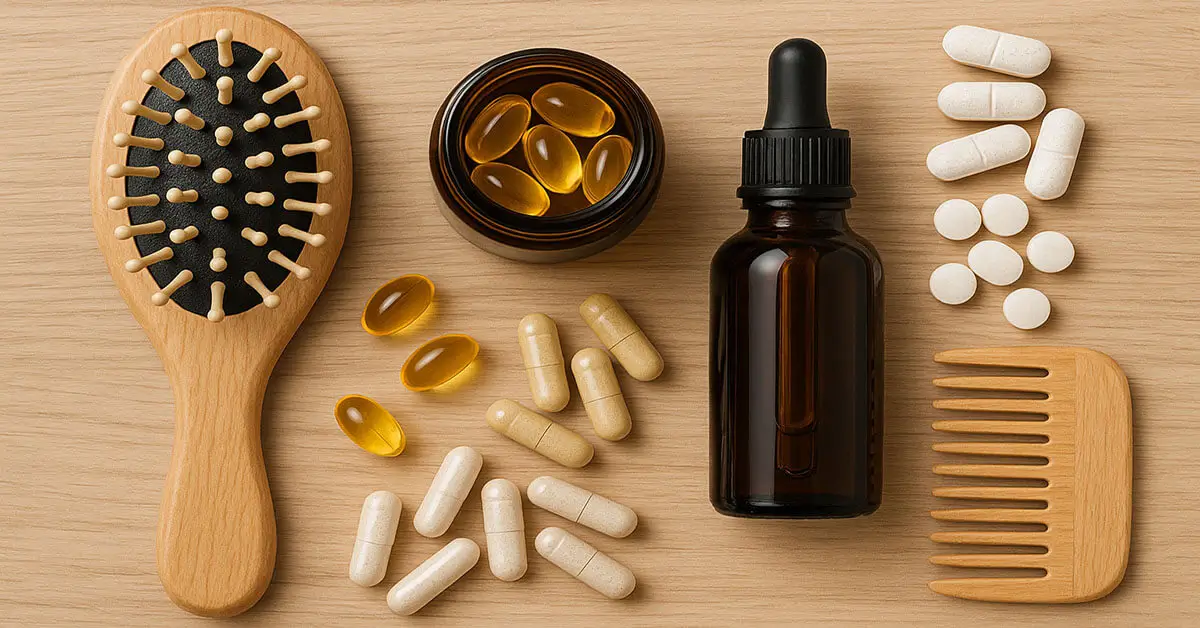
Hair loss affects both men and women and can occur for many reasons, including genetics, hormonal changes, nutrient deficiencies, stress, or underlying health conditions.
In many cases, hair thinning is not permanent. Supporting the body with proper nutrition, addressing lifestyle factors, and correcting deficiencies can help maintain normal hair growth and reduce excessive shedding.
This guide reviews supplements and practical tips that are supported by scientific evidence. It focuses on what has been shown to support hair health, and helps you avoid common claims that are not backed by reliable research.
Why Am I Losing My Hair?
Before you fix the problem, it helps to understand what's causing it. Hair loss isn't just about age, it's often a mix of genetics, hormones, stress, and nutrition.
Hair Loss in Men
- Male Pattern Baldness (Androgenetic Alopecia): The #1 cause in men. It's genetic and linked to DHT (a byproduct of testosterone).
- Stress-Related Shedding: Known as telogen effluvium, this happens after illness, burnout, or emotional stress.
- Poor Nutrition: Not enough protein, zinc, or vitamins can weaken hair follicles.
Hair Loss in Women
- Hormonal Imbalances: Postpartum, menopause, PCOS, or thyroid issues can trigger hair thinning.
- Iron Deficiency: A common cause of diffuse hair loss in women, especially if ferritin (stored iron) is low.
- Stress & Crash Diets: Hair is sensitive to sudden lifestyle changes or emotional stress.
The key is to address the root cause, not just mask the symptoms.
Supplements That May Help with Hair Loss
Supplements can be helpful when thinning or shedding is related to nutrient deficiencies or underlying nutritional gaps. Below, you'll find the options we selected based on their role in supporting hair growth and overall scalp health.
1. Biotin (Vitamin B7)
Biotin is probably the most famous "hair vitamin", and for good reason. It helps your body produce keratin, the protein that makes up your hair, skin, and nails.
Does it work? If you're biotin-deficient, yes. But if your levels are normal, don't expect miracles.
Recommended dose: 2500 to 5000 mcg/day
2. Collagen Peptides
Collagen provides the building blocks your body uses to create skin, tendons, and yes, hair.
As you age, collagen production drops. Supplementing with hydrolyzed collagen may help support the scalp and hair follicle health.
Bonus: it also benefits joints and skin elasticity.
3. Zinc
Zinc is crucial for hair growth and repair. It regulates oil glands, helps with tissue growth, and plays a role in DNA production.
Low zinc? Your hair may thin or fall out.
Warning: Too much zinc can cause the opposite effect, so stay within safe limits (10-15 mg/day unless prescribed).
4. Silica (Silicium)
Silica strengthens hair strands and may promote thicker, shinier hair. It's also great for nails and skin health.
Sources include horsetail extract or orthosilicic acid supplements.
5. Saw Palmetto
Saw Palmetto is nature's answer to DHT-blocking medications like finasteride. It may help reduce DHT levels in the scalp, slowing male pattern hair loss.
Good for: Men with early signs of receding hairline or thinning at the crown.
6. Iron (If You're Deficient)
Ferritin is your body's iron storage. When ferritin is too low (especially in women), your hair follicles switch to rest mode and shedding begins.
Important: Don't supplement iron blindly, get a blood test first.
7. Omega-3
Omega-3s help reduce scalp inflammation and support healthy follicles. They also improve skin hydration, which can reduce dandruff.
Sources: Fish oil, krill oil, or plant-based DHA supplements.
Lifestyle Tips to Support Hair Growth
Supplements help, but your daily habits matter too.
Manage Stress
Stress spikes cortisol, which can trigger telogen effluvium (temporary hair shedding).
Solutions:
- Meditation or breathwork
- Yoga or gentle exercise
- Better sleep hygiene
Take Care of Your Scalp
Scalp health plays an important role in hair growth. The scalp supports hair follicles, delivers nutrients through blood flow, and helps maintain a balanced environment for normal hair production.
Try:
- Scalp massages to boost circulation
- Essential oils like rosemary or peppermint (studies suggest they may support growth)
- Avoiding harsh shampoos and heat styling
Eat Enough Protein
Hair is made of keratin, a protein. If you're not eating enough protein, your body won't prioritize hair growth.
Aim for at least 1.2 to 1.5 grams of protein per kg of body weight, especially if you're active.
What Probably Won't Work
Let's bust a few myths:
- "Hair growth shampoos": Most don't penetrate deep enough to change your hair cycle.
- Supplements without a deficiency: More isn't always better. Test before supplementing iron, zinc, or vitamin D.
- Quick fixes: Hair regrowth takes time. Be patient, it might take months...
When Should You See a Doctor?
Some hair loss needs medical attention. See a professional if you notice:
- Sudden or rapid shedding
- Hair loss in patches or circular spots (could be alopecia areata)
- Redness, itching, or scalp pain
- Hormonal issues (thyroid, PCOS)
A dermatologist or trichologist can help rule out underlying issues.
The Bottom Line
Hair loss is stressful, but it's often manageable with the right strategy.
- Start by checking your nutrition and supplement where needed.
- Take care of your scalp and reduce stress.
- Be consistent, and give your hair time to respond.
Related Articles


Latest

Our Content Guidelines
Our content provides educational information about supplements and wellness topics.
-
 Evidence-informed content
We reference peer-reviewed studies and established scientific literature where available. -
 Clear sourcing & transparency
Sources and references are provided when evidence exists, allowing readers to explore further. -
 Updated to reflect new evidence
Articles are updated as new information becomes available.