

Managing Cholesterol: Supplements That May Help
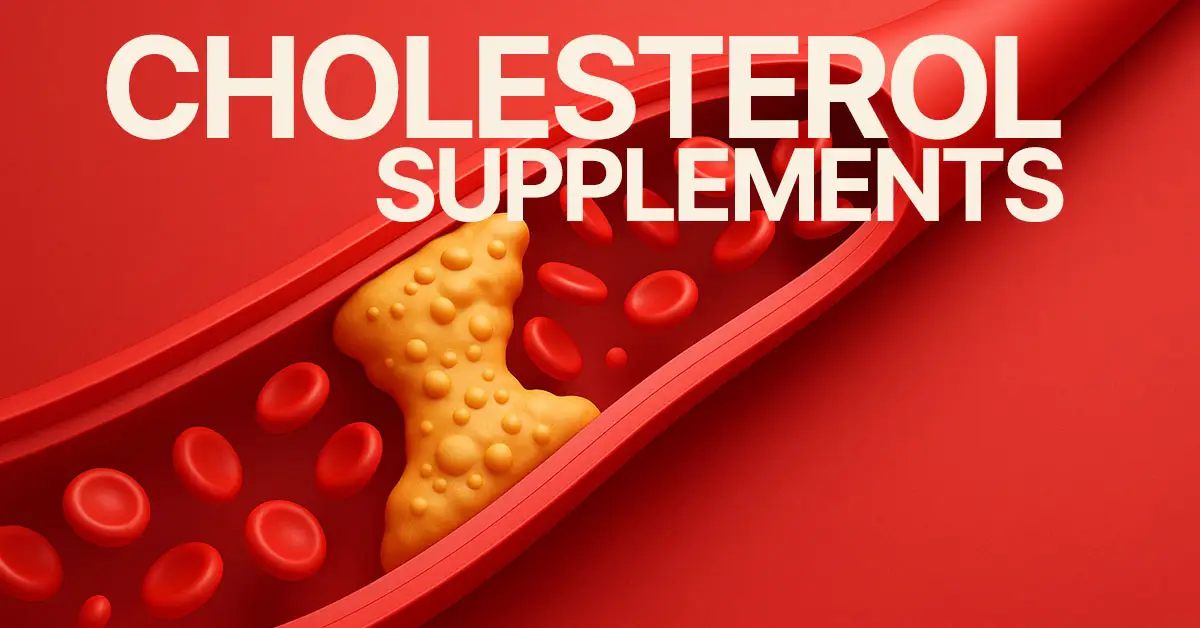
Having elevated cholesterol levels increases the risk of cardiovascular problems over time.
Dietary choices, regular physical activity, and maintaining a healthy weight remain the main factors that influence cholesterol levels.
Alongside these habits, some supplements are used as a nutritional support for people looking to maintain cholesterol within a healthy range.
These supplements may influence LDL cholesterol, HDL cholesterol, or other processes involved in cardiovascular function.
In this article, we review supplements that are used to support healthy cholesterol levels and explain how they may fit into a balanced lifestyle.
Understanding Cholesterol
Cholesterol is a fat-like substance present in every cell of the body.
It is required for hormone production, vitamin D synthesis, and the structure of cell membranes.
Problems arise when levels of low-density lipoprotein, or LDL cholesterol, become too high and begin to accumulate along artery walls.
This buildup, known as plaque, can restrict blood flow and increase cardiovascular risk.
High-density lipoprotein, or HDL cholesterol, helps transport excess cholesterol away from the bloodstream.
The goal is not to eliminate cholesterol, but to maintain a healthy balance between LDL and HDL.
How Supplements May Play a Role
Supplements are not a substitute for healthy eating or physical activity.
They may, however, help support cholesterol balance by influencing absorption in the digestive system, liver activity, or inflammatory processes.
Their use is most relevant when combined with consistent lifestyle habits.
Supplements Used to Support Healthy Cholesterol Levels
Omega-3 Fatty Acids
Omega-3 fatty acids, including EPA and DHA, are widely used to support cardiovascular health.
They do not primarily act on LDL cholesterol, but they are associated with triglyceride balance and normal inflammatory responses.
Omega-3s are obtained from fatty fish, with algal sources available for plant-based diets.
Red Yeast Rice
Red yeast rice contains naturally occurring compounds that influence cholesterol production in the liver.
Its active components act on the same pathway targeted by certain cholesterol medications.
Because of this mechanism, its use should be discussed with a healthcare professional.
Niacin (Vitamin B3)
Niacin plays a role in lipid metabolism and has been used to influence LDL, HDL, and triglyceride levels.
It is typically used under medical supervision due to the potential for side effects at higher intakes.
Plant Sterols and Stanols
Plant sterols and stanols are naturally found in fruits, vegetables, nuts, and seeds.
They resemble cholesterol in structure and can reduce the amount of dietary cholesterol absorbed in the intestines.
This mechanism supports LDL cholesterol balance.
Psyllium Husk and Soluble Fiber
Psyllium husk is a soluble fiber that forms a gel-like substance during digestion.
This gel can bind cholesterol and bile acids, supporting their elimination through the digestive tract.
Soluble fiber intake is associated with improved cholesterol profiles.
Garlic
Garlic contains sulfur-containing compounds that support cardiovascular function.
It has been studied for its potential influence on cholesterol synthesis and blood vessel health.
Coenzyme Q10 (CoQ10)
CoQ10 does not directly influence cholesterol levels.
It supports energy production in heart cells and is often considered alongside cholesterol-focused approaches, especially for people using medications that affect CoQ10 levels.
Green Tea Extract
Green tea contains catechins, including EGCG, which are involved in lipid metabolism.
These compounds may support cholesterol balance and antioxidant activity.
Artichoke Leaf Extract
Artichoke leaf extract has been studied for its role in bile production and liver function.
These processes are involved in how the body handles cholesterol.
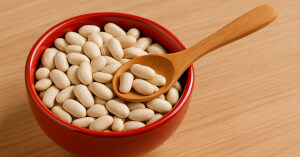
Soluble Fibers from Oats and Barley
Beta-glucans from oats and barley are soluble fibers that interact with cholesterol in the digestive tract.
Regular intake of these fibers supports LDL cholesterol balance as part of a heart-conscious diet.
Lifestyle Factors That Matter
Supplements work best when combined with consistent lifestyle habits.
A diet rich in vegetables, fruits, whole grains, and healthy fats supports cardiovascular health.
Physical activity, weight management, and avoiding smoking also play a key role in cholesterol balance.
Conclusion and Precautions
Several supplements are used to support healthy cholesterol levels as part of a broader lifestyle approach.
Omega-3 fatty acids, soluble fibers, plant sterols, and selected botanical extracts are among the options considered.
Some supplements may interact with medications or be unsuitable for certain individuals.
Always discuss supplement use with a healthcare professional, especially if you are managing an existing health condition or taking prescription medication.
Frequently Asked Questions
What is the difference between LDL and HDL cholesterol?
LDL cholesterol contributes to plaque buildup in arteries when levels are high.
HDL cholesterol helps transport excess cholesterol away from the bloodstream.
Can supplements replace cholesterol medication?
No. Supplements are not a replacement for prescribed treatments and should only be used alongside medical guidance.
How long does it take to see changes?
Changes in cholesterol levels typically require several weeks or months of consistent lifestyle and dietary adjustments.
Are natural supplements always safe?
Not always. Natural does not mean risk-free.
Individual needs and existing treatments should always be considered.
Related Articles


Latest

Our Content Guidelines
Our content provides educational information about supplements and wellness topics.
-
 Evidence-informed content
We reference peer-reviewed studies and established scientific literature where available. -
 Clear sourcing & transparency
Sources and references are provided when evidence exists, allowing readers to explore further. -
 Updated to reflect new evidence
Articles are updated as new information becomes available.