

12 Supplements Used to Support Healthy Blood Pressure

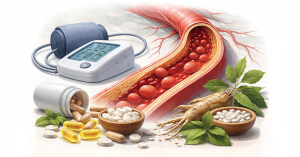
High blood pressure can affect cardiovascular health over time, even when no clear symptoms are present.
Dietary choices, regular physical activity, stress management, and medical follow-up remain the foundation of blood pressure control.
Alongside these measures, some supplements have been studied for their potential role in supporting healthy blood pressure levels.
Below is an overview of 12 supplements that have been evaluated in clinical studies and are sometimes used as part of a broader cardiovascular care approach.
We want to draw your attention to the fact that adding a supplement to your diet can have serious consequences, and medical guidance should always be sought before starting any new supplement.
1. CoQ10 (Coenzyme Q10)
CoQ10 is a compound naturally produced by the body and involved in cellular energy production.
It also plays a role in blood vessel function by supporting normal nitric oxide activity, which helps regulate blood flow.
Lower CoQ10 levels are sometimes observed with aging or during the use of certain medications, including statins.
📊 Clinical Study: A 2022 review of randomized trials reported a modest reduction in systolic blood pressure, averaging around 5 mmHg, in participants using CoQ10.
2. Garlic Extract
Garlic contains sulfur-based compounds that influence vascular tone and endothelial function.
Aged garlic extract has been studied for its effects on blood vessel relaxation and enzymatic pathways involved in blood pressure regulation.
Results vary, but consistent intake has been associated with measurable changes in blood pressure in some individuals.
📊 Clinical Study: A 2019 meta-analysis of 12 clinical trials observed an average reduction of 8.3 mmHg in systolic blood pressure among participants with hypertension.
3. Magnesium
Magnesium is involved in nerve signaling and muscle relaxation, including the smooth muscles that line blood vessels.
Insufficient magnesium intake may contribute to increased vascular resistance.
Addressing low magnesium status through diet or supplementation has been associated with small changes in blood pressure measurements.
📊 Clinical Study: A 2016 pooled analysis of 34 trials reported average reductions of approximately 2 mmHg in both systolic and diastolic blood pressure.
4. Potassium
Potassium helps regulate fluid balance and works alongside sodium to influence blood pressure.
Adequate potassium intake supports sodium excretion by the kidneys, which can affect blood pressure regulation.
Dietary sources include fruits, vegetables, and legumes, while supplementation may be considered when intake is insufficient.
📊 Clinical Study: A 2013 review found that increased potassium intake was associated with reductions in both systolic and diastolic blood pressure, particularly in individuals with high sodium intake.
5. Omega-3 Fatty Acids
Omega-3 fatty acids, including EPA and DHA, contribute to cardiovascular function through several mechanisms.
They are more closely associated with triglyceride balance and arterial flexibility than direct LDL cholesterol changes.
Clinical trials have also explored their influence on blood pressure regulation.
📊 Clinical Study: A 2022 analysis of multiple trials reported small reductions in blood pressure with daily intakes of EPA and DHA in the range commonly studied.
6. Beetroot
Beetroot provides dietary nitrates, which the body converts into nitric oxide.
Nitric oxide plays a role in blood vessel dilation and circulation.
Beetroot juice and concentrated supplements have been evaluated for their short- and medium-term effects on blood pressure.
📊 Clinical Study: A 2013 meta-analysis reported a significant reduction in systolic blood pressure following nitrate intake from beetroot, with later reviews noting average decreases of 3 to 4 mmHg.
7. Hibiscus
Hibiscus sabdariffa is traditionally consumed as a tea and has mild diuretic properties.
It has also been studied for its interaction with enzymes involved in vascular constriction.
Regular intake has been associated with measurable changes in blood pressure in controlled settings.
📊 Clinical Study: A 2007 randomized trial observed an average reduction of about 7 mmHg in systolic blood pressure among participants with mild hypertension.
8. L-Citrulline
L-citrulline is an amino acid that serves as a precursor to L-arginine.
L-arginine contributes to nitric oxide production, which affects blood vessel tone.
Supplementation has been evaluated in individuals with elevated baseline blood pressure.
📊 Clinical Study: A 2018 meta-analysis reported modest but statistically significant reductions in both systolic and diastolic blood pressure.
9. Grape Seed Extract
Grape seed extract contains polyphenols that influence endothelial function.
These compounds are associated with reduced oxidative stress and vascular support.
Several trials have examined its role in blood pressure regulation.
📊 Clinical Study: A 2016 meta-analysis of randomized controlled trials found reductions in systolic blood pressure, particularly in specific subgroups.
10. Probiotics
The gut microbiota influences multiple metabolic and cardiovascular pathways.
Certain probiotic strains produce bioactive compounds that may affect blood vessel function.
Clinical trials have explored these effects over several weeks of supplementation.
📊 Clinical Study: A 2023 meta-analysis reported modest reductions in both systolic and diastolic blood pressure following probiotic supplementation.
11. Melatonin
Melatonin regulates circadian rhythms and sleep patterns.
Blood pressure normally follows a daily rhythm, with lower levels during nighttime rest.
Supplemental melatonin has been studied for its influence on nighttime blood pressure patterns.
📊 Clinical Study: A 2019 meta-analysis found modest reductions in nighttime blood pressure in some participants with hypertension.
12. Green Tea Extract
Green tea contains catechins, including EGCG, which are involved in antioxidant and metabolic processes.
These compounds have been evaluated for their effects on vascular function and lipid metabolism.
Blood pressure changes observed in studies are generally small but measurable over time.
📊 Clinical Study: A 2019 systematic review reported slight reductions in systolic and diastolic blood pressure with green tea supplementation.
These supplements may complement medical care, but they should not replace prescribed treatments or routine blood pressure monitoring.
Consult a healthcare professional before adding any supplement, especially if you take blood pressure medication or manage an existing cardiovascular condition.
Frequently Asked Questions
Is there a single supplement that works for everyone?
No. Individual responses vary, and supplement choice depends on overall health, diet, and medications.
Should supplements replace medication?
No. Supplements are not a substitute for prescribed blood pressure treatments.
How long before changes are noticed?
Most studies evaluate effects over several weeks, alongside consistent lifestyle habits.
Are supplements always safe with blood pressure drugs?
Some interactions are possible. Professional guidance is recommended before combining supplements with medication.
Related Articles


Latest



Our Content Guidelines
Our content provides educational information about supplements and wellness topics.
-
 Evidence-informed content
We reference peer-reviewed studies and established scientific literature where available. -
 Clear sourcing & transparency
Sources and references are provided when evidence exists, allowing readers to explore further. -
 Updated to reflect new evidence
Articles are updated as new information becomes available.