

Migraines and Supplements: Vitamins and Minerals Explained
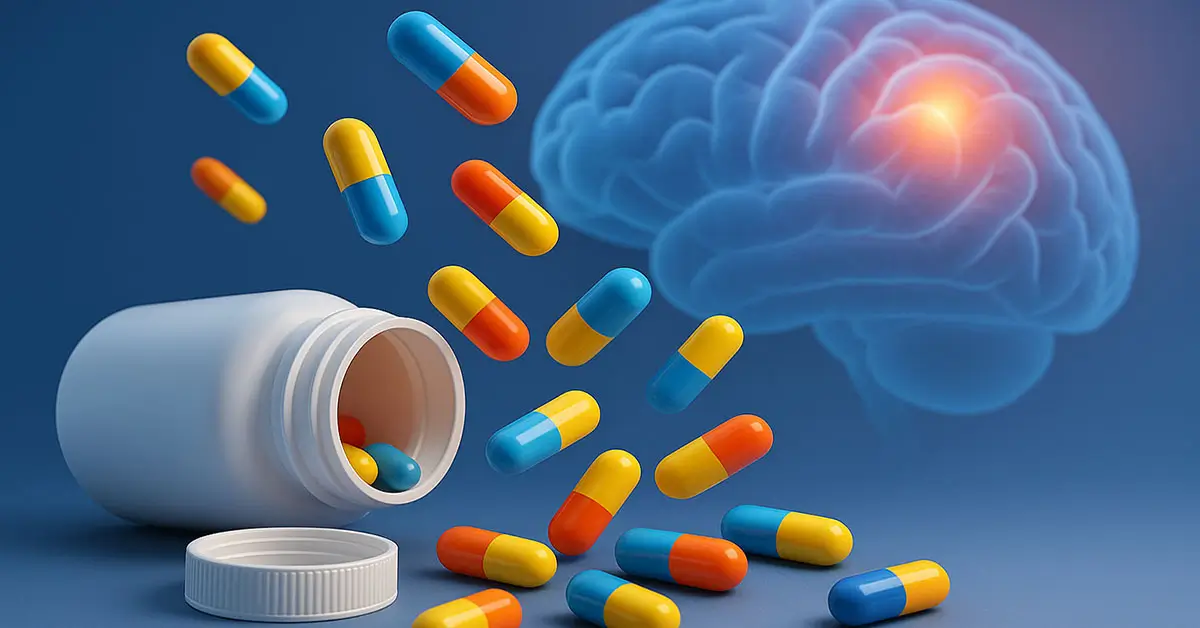
Migraines are more than simple headaches. They often involve intense pain, sensitivity to light or sound, nausea, and, for some people, visual disturbances. These symptoms can interfere with work, rest, and daily activities.
Prescription treatments are available, but they are not always effective or well tolerated. Because of this, many people look into vitamins, minerals, and supplements as part of a broader migraine management strategy.
These nutrients are typically used to address deficiencies, support nervous system balance, modulate inflammation, or assist cellular energy production in the brain.
Below is an overview of vitamins, minerals, and supplements that have been examined in human studies in relation to migraines.
Vitamins, Minerals, and Supplements Explained
1. Magnesium
Magnesium plays a role in nerve signaling, blood vessel regulation, and cellular energy production. Lower magnesium levels are frequently observed in people who experience migraines, which has led to its use in preventive approaches.
📊 Clinical Study: A randomized, double-blind trial found that oral magnesium (600 mg per day) was associated with a reduction in migraine frequency compared to placebo. A 2015 review described magnesium as a low-cost option with supportive safety and efficacy data for prevention.
2. Vitamin B2 (Riboflavin)
Vitamin B2 supports mitochondrial energy metabolism. In migraine research, reduced efficiency of energy production in brain cells has been proposed as one contributing factor, which explains interest in riboflavin.
📊 Clinical Study: A 1994 clinical trial reported that 400 mg of riboflavin daily was associated with fewer migraine attacks over time.
3. Coenzyme Q10 (CoQ10)
CoQ10 is involved in mitochondrial energy production and acts as an antioxidant. Lower CoQ10 levels have been observed in some individuals with frequent migraines.
It is sometimes used alone or alongside riboflavin as part of a nutrient-focused approach to migraine prevention.
📊 Clinical Study: A 2005 randomized trial observed a reduction in migraine frequency among participants taking CoQ10 compared to baseline.
4. Calcium
Calcium is essential for nerve transmission and muscle function. While not specific to migraines, inadequate calcium intake has been associated with a higher prevalence of headaches in observational research, particularly among women.
📊 Clinical Study: A 2021 observational study linked lower dietary calcium intake with increased migraine prevalence.
5. Vitamin D
Vitamin D influences immune regulation and inflammatory pathways. Interest in vitamin D for migraines comes from observations that deficiency is common in people with frequent headaches.
📊 Clinical Study: A placebo-controlled trial found that vitamin D3 supplementation was associated with fewer monthly migraine days, although changes in pain severity were less consistent.
6. Feverfew
Feverfew is a plant traditionally used for headache disorders. Its active compounds are thought to influence inflammatory mediators and vascular responses linked to migraine attacks.
📊 Clinical Study: A randomized trial reported fewer migraine episodes in participants using standardized feverfew extracts.
7. Butterbur
Butterbur root extracts have been evaluated for migraine prevention due to their effects on inflammation and vascular smooth muscle. Only PA-free, purified extracts are considered appropriate for supplementation.
8. Omega-3 Fatty Acids
Omega-3 fatty acids contribute to inflammatory balance and vascular function. Dietary patterns higher in omega-3s and lower in omega-6s have been evaluated in migraine research.
📊 Clinical Study: A 2021 randomized trial associated higher omega-3 intake with fewer headache days and improved headache-related outcomes.
9. Melatonin
Melatonin regulates sleep-wake cycles, and disrupted sleep is a well-known migraine trigger. It also has antioxidant properties that may be relevant to neurological function.
📊 Clinical Study: A pilot study and a 2016 trial found melatonin to be comparable to amitriptyline for migraine prevention, with fewer reported side effects.
Final Thoughts
Magnesium, riboflavin, and CoQ10 have the most consistent human data in relation to migraine prevention. Other options such as omega-3s, vitamin D, calcium, and melatonin may also play a supportive role depending on individual factors.
Supplements are usually most useful when combined with regular sleep, hydration, balanced meals, and stress management. Medical guidance is recommended before starting or combining supplements, especially when migraines are frequent or severe.
Frequently Asked Questions
Which supplements are most studied for migraines?
Magnesium, vitamin B2 (riboflavin), and CoQ10 have the strongest and most consistent human data. Butterbur and feverfew have also been studied, but quality and safety considerations are important.
How long do supplements take to show effects?
Most studies evaluate supplements over 8 to 12 weeks. Consistent use over several months is usually needed before drawing conclusions.
Can supplements be used with migraine medication?
In many cases yes, but interactions are possible. It is best to review supplement use with a healthcare professional or pharmacist.
Are migraine supplements suitable for children?
Some evidence exists for magnesium and riboflavin in pediatric migraines, but dosing and suitability should always be guided by a pediatrician.
Do supplements replace medical treatment?
No. Supplements are generally used as part of a broader migraine management plan and do not replace medical diagnosis or prescribed therapy.


Latest


Our Content Guidelines
Our content provides educational information about supplements and wellness topics.
-
 Evidence-informed content
We reference peer-reviewed studies and established scientific literature where available. -
 Clear sourcing & transparency
Sources and references are provided when evidence exists, allowing readers to explore further. -
 Updated to reflect new evidence
Articles are updated as new information becomes available.