

20 Supplements Commonly Used to Support Immune Health
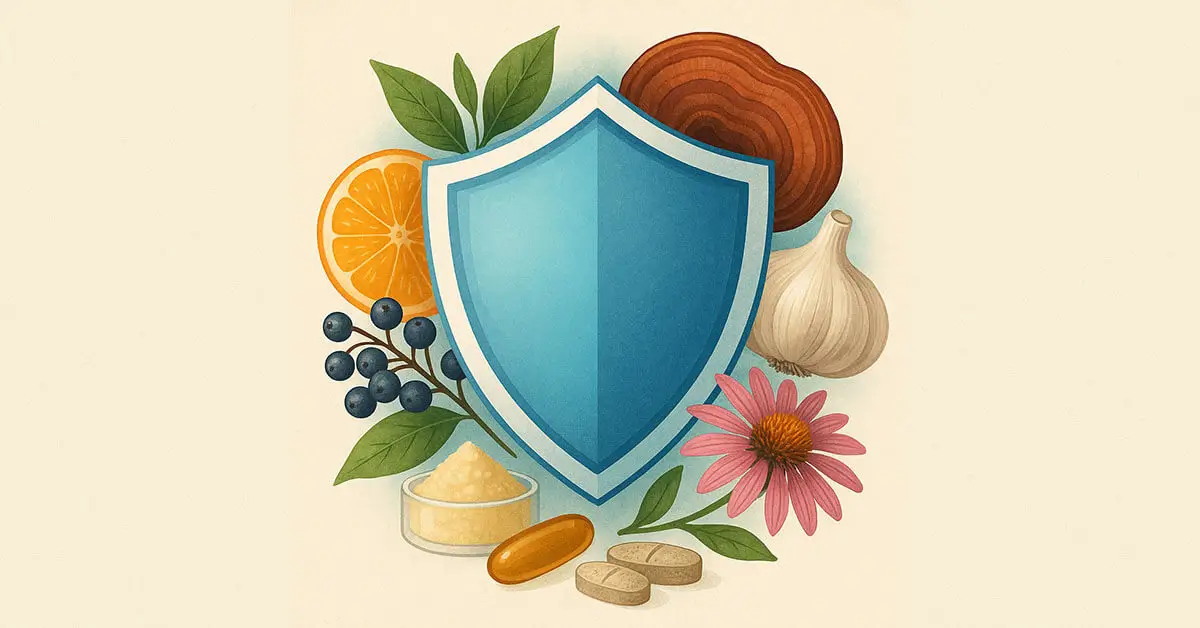
Your immune system works around the clock to help protect your body from viruses, bacteria, and other external challenges. To function properly, it relies on many factors, including sleep, stress balance, physical activity, and steady access to essential nutrients.
Periods of ongoing stress, poor sleep, limited dietary variety, or increased exposure to pathogens can place extra demand on immune function. When certain nutrients are lacking, immune cells may not respond as efficiently as they should.
This guide reviews 20 supplements that are commonly discussed in relation to immune health. They include vitamins, minerals, plant compounds, mushrooms, and other nutrients that play a role in maintaining normal immune function. These supplements are not treatments for illness, but they may support the body's natural defenses when used responsibly.
Vitamins and Minerals: The Foundation of Immune Health
If basic nutrient needs are not met, immune function may suffer. Before considering specialized compounds, it is worth ensuring that essential vitamins and minerals are adequately covered.
Vitamin C
Vitamin C is involved in the normal function of several immune cells, including white blood cells. It also helps protect these cells from oxidative stress, which can increase during infections or periods of physical stress.
Vitamin D
Vitamin D plays a regulatory role in immune responses. Low levels are common, particularly during winter months or in people with limited sun exposure, and inadequate intake has been associated with altered immune function.
Zinc
Zinc is involved in immune cell development, signaling, and repair. Even mild deficiency can affect how immune cells respond to challenges, which is why zinc intake is often discussed during seasonal illness.
Selenium
Selenium supports antioxidant systems that help regulate inflammation during immune responses. Adequate intake appears important for maintaining balanced immune activity.
Iron (When Deficiency Is Present)
Iron is essential for oxygen transport and immune cell growth. However, supplementation is generally appropriate only when deficiency has been confirmed, as excessive iron intake may have unwanted effects.
Herbs and Botanicals Commonly Used for Immune Support
Many plants contain compounds that interact with immune signaling and inflammation pathways. These herbs are widely used in traditional and modern wellness practices.
Elderberry (Sambucus nigra)
Elderberry contains polyphenols that have been studied for their interaction with immune responses. It is often discussed during seasonal immune challenges, particularly in colder months.
Echinacea
Echinacea has been examined for its ability to influence immune signaling. It is commonly used for short periods, especially during times of increased exposure to respiratory infections.
Astragalus Root
Astragalus is traditionally used to support long-term immune resilience. It is often discussed in the context of immune balance rather than acute illness.
Andrographis
Andrographis contains bitter compounds that have been studied for their role in immune activity and inflammation regulation, particularly during upper respiratory discomfort.
Garlic (Allicin)
Garlic provides sulfur-containing compounds, including allicin, which are involved in immune signaling. Both dietary garlic and standardized supplements are commonly used for general immune support.
Medicinal Mushrooms and Immune Regulation
Certain mushrooms contain beta-glucans and polysaccharides that interact with immune cells. These compounds are studied for their role in immune modulation rather than stimulation.
Reishi
Reishi is often discussed for its role in immune balance and stress-related immune changes. It is commonly used as part of long-term wellness routines.
Shiitake
Shiitake mushrooms contain compounds that support normal immune cell activity. They are consumed both as food and in supplement form.
Maitake
Maitake provides beta-glucans that have been studied for their interaction with immune receptors. It is often included in immune-focused mushroom blends.
Turkey Tail
Turkey Tail contains polysaccharides such as PSK and PSP, which have been examined in clinical settings for their relationship with immune cell function.
Gut Health and Its Role in Immunity
A significant portion of immune activity is associated with the gut. The balance of gut bacteria influences immune signaling and inflammatory responses.
Probiotics
Probiotics help maintain a balanced gut microbiome. Certain strains are studied for their role in supporting normal immune responses through gut-immune interactions.
Beta-Glucans
Beta-glucans are fibers found in yeast, oats, and mushrooms. They are known for their ability to interact with immune cells such as macrophages, which help identify pathogens.
Colostrum
Colostrum contains immune-related proteins and growth factors. In supplement form, it is studied for its role in gut barrier integrity and immune signaling.
Additional Supplements Often Discussed for Immune Health
These nutrients are less commonly highlighted but may provide complementary support, particularly during periods of increased physical or environmental stress.
N-Acetylcysteine (NAC)
NAC supports the body's production of glutathione, an antioxidant involved in protecting immune cells from oxidative stress.
Quercetin
Quercetin is a plant flavonoid studied for its interaction with inflammatory pathways and immune signaling. It is often discussed alongside vitamin C.
L-Lysine
Lysine is an essential amino acid involved in protein synthesis and immune cell function. It is commonly discussed in relation to immune balance.
Final Thoughts
Immune health depends on a broad foundation rather than a single supplement. Adequate nutrition, sleep, stress management, and regular movement all play a central role.
Supplements may help fill nutritional gaps or support normal immune function, but they are not substitutes for medical care. If you have a medical condition, are pregnant, or take prescription medications, discussing supplement use with a healthcare professional is recommended.


Latest



Our Content Guidelines
Our content provides educational information about supplements and wellness topics.
-
 Evidence-informed content
We reference peer-reviewed studies and established scientific literature where available. -
 Clear sourcing & transparency
Sources and references are provided when evidence exists, allowing readers to explore further. -
 Updated to reflect new evidence
Articles are updated as new information becomes available.