

12 Supplements Commonly Used in Relation to Sleep Quality
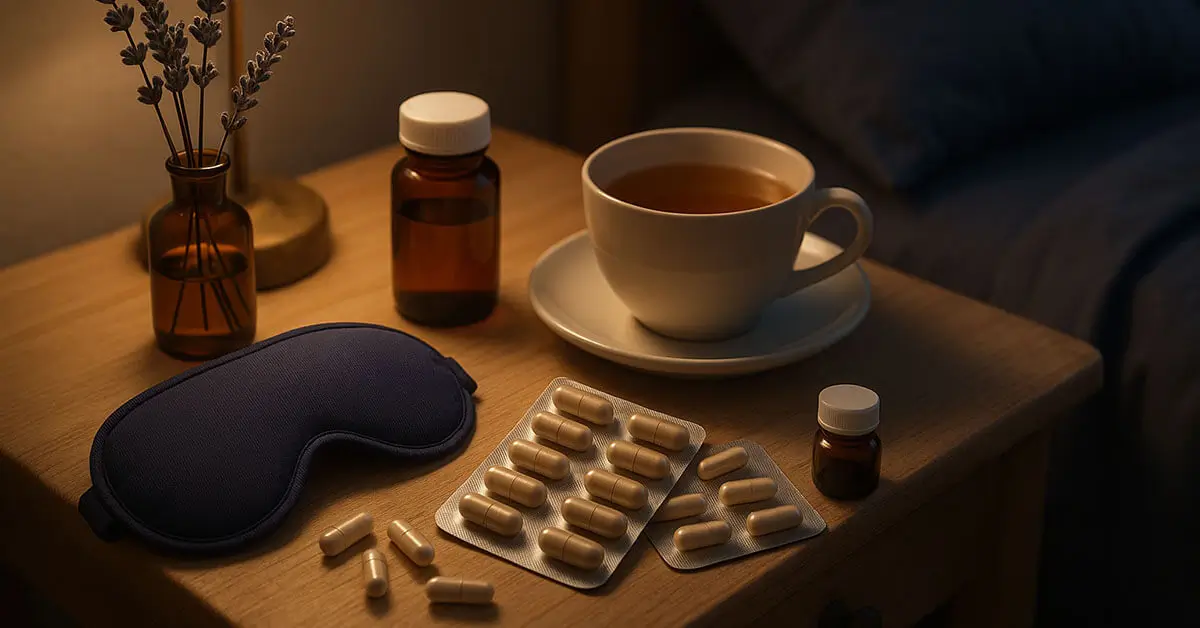
Sleep problems are common and affect millions of people worldwide. Difficulty falling asleep, frequent night awakenings, or non-restorative sleep can interfere with daily energy, focus, and overall health.
Prescription sleep medications are sometimes used, but they may cause side effects such as morning drowsiness, reduced alertness, or dependence when used long term.
Some natural supplements have been studied for their ability to support sleep quality by acting on relaxation pathways, circadian rhythm regulation, or stress response. Their effectiveness depends on choosing the right compounds and using them appropriately.
This 2025 guide reviews 12 supplements that are commonly used to support sleep. Each option is explained based on how it works in the body, when it may be helpful, and what current research suggests.
Why Sleep Matters More Than You Think
Sleep is a critical biological process. During sleep, the body carries out essential functions such as tissue repair, hormone regulation, and memory consolidation.
Insufficient or poor-quality sleep has been associated with a wide range of health concerns, including:
- Reduced immune function
- Increased risk of weight gain and metabolic disorders
- Higher stress levels and mood disturbances
- Difficulty concentrating and mental fatigue
Improving sleep quality is an important part of maintaining long-term physical and mental health.
The 12 Best Natural Supplements for Sleep (2025)
Here's the ultimate list of natural sleep aids that actually work.
1. Magnesium Glycinate
Magnesium is a critical mineral for relaxation and muscle recovery. It helps quiet the nervous system and supports deeper sleep.
Why glycinate? It's one of the most absorbable forms, and it's gentle on the stomach compared to magnesium citrate or oxide.
Recommended dose: 200 to 400 mg before bed
2. Melatonin (Low Dose)
Melatonin is your body's natural sleep hormone. It helps regulate your circadian rhythm and tells your brain it's time to wind down.
Less is more: Studies show that small doses (0.5 to 1 mg) work better than large doses for sleep onset, without causing morning grogginess.
3. Glycine
Glycine is an amino acid that cools your body's core temperature, signaling that it's time to sleep.
Research shows that 3 grams of glycine before bed can improve sleep quality and help you feel more refreshed in the morning.
4. L-Theanine
L-Theanine is found in green tea. It promotes a sense of calm focus by increasing alpha brain waves.
Perfect for those who have trouble shutting off their mind at night, it helps reduce anxiety without causing drowsiness.
Recommended dose: 100 to 200 mg before bed
5. Ashwagandha (KSM-66 or Sensoril)
Ashwagandha is an adaptogen that helps lower cortisol levels, your main stress hormone.
Several studies suggest that it can improve sleep quality, especially in people who struggle with stress-related insomnia.
Recommended dose: 300 to 600 mg daily
6. GABA
GABA is your body's main "calming" neurotransmitter. It helps reduce mental chatter and promotes relaxation.
While there's debate about whether GABA supplements cross the blood-brain barrier, some users report better sleep with specific forms.
Recommended dose: 100 to 300 mg before bed
7. Passion Flower (Passiflora)
Passionflower is a traditional herbal remedy that supports calmness and stress relief.
It works by increasing GABA levels naturally and may help you fall asleep faster without next-day drowsiness.
8. Valerian
Valerian has been used for centuries as a natural sleep aid. It may help you fall asleep faster and improve sleep quality over time.
Some people love it, others don't respond. It's worth testing to see if it works for you.
9. Lemon Balm
Lemon balm is a calming herb that may reduce anxiety and promote relaxation before bed.
It's often combined with other herbs like passionflower or valerian for a gentle sleep stack.
10. 5-HTP
5-HTP is a direct precursor to serotonin, which helps regulate mood and sleep. Your body also converts serotonin into melatonin naturally.
Perfect for people who struggle with sleep due to low mood or stress.
Recommended dose: 50 to 100 mg at night
11. Tart Cherry Extract
Tart cherries are a natural source of melatonin and antioxidants.
Studies show that tart cherry supplements or juice can increase sleep time and improve quality, especially in older adults.
12. Ginkgo Biloba
Ginkgo isn't just for memory. Some research shows it can reduce stress-related sleep issues, especially in older adults.
It improves blood flow to the brain and may reduce nighttime awakenings without sedation.
Bonus: It's also great for cognitive support.
How to Stack Sleep Supplements Safely
Should you take all 12? Definitely not.
Start with one or two supplements that fit your specific sleep issue:
- Trouble falling asleep: Melatonin + L-Theanine
- Waking up at night: Glycine + Ashwagandha
- Stress & anxiety: GABA + Passionflower + Lemon Balm
Track how you feel and adjust slowly.
The Bottom Line
Natural sleep supplements can make a real difference, but they work best when combined with good habits.
- Limit caffeine after 2 p.m.
- Keep a regular sleep schedule
- Create a calming bedtime routine
Sleep quality improves most when supportive supplements are combined with consistent, healthy sleep habits.


Latest



Our Content Guidelines
Our content provides educational information about supplements and wellness topics.
-
 Evidence-informed content
We reference peer-reviewed studies and established scientific literature where available. -
 Clear sourcing & transparency
Sources and references are provided when evidence exists, allowing readers to explore further. -
 Updated to reflect new evidence
Articles are updated as new information becomes available.