

Can Nattokinase and Serrapeptase Support Artery Health?
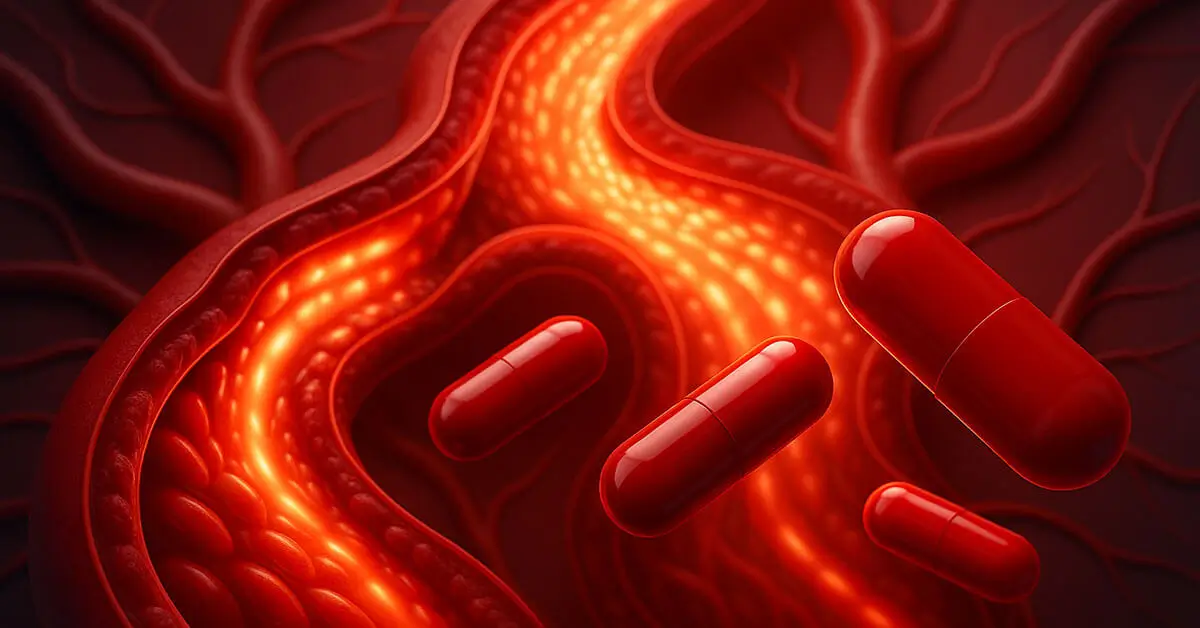
Cardiovascular disease remains one of the leading causes of death worldwide. One of the main contributors is the gradual narrowing of arteries, often linked to plaque buildup, reduced circulation, and increased clotting risk.
If you have been told you have high blood pressure, early plaque formation, or circulation issues, you may wonder whether natural approaches can support artery health. Two enzymes are often discussed in this context: nattokinase and serrapeptase.
This article reviews what actually happens inside the arteries, how these enzymes work, and what current research suggests about their potential role in cardiovascular support.
Why Arteries Become Narrowed Over Time
Arteries do not become narrowed suddenly. The process is gradual and is known as atherosclerosis. This condition develops over years and involves several overlapping factors.
These include:
- Oxidized cholesterol, which can stick to artery walls
- Chronic inflammation inside blood vessels
- Excess fibrin, a protein involved in blood clotting
- High blood sugar and insulin resistance
As these factors accumulate, plaque forms along the artery lining. This can reduce blood flow and increase the risk of high blood pressure, heart attack, or stroke.
This raises an important question: can supplements meaningfully support this process?
What Supplements Can and Cannot Do for Arteries
It is important to clarify expectations. Arteries cannot be cleared in the way a pipe is cleaned. Plaque cannot be flushed out with a pill or short-term program.
However, the body does have systems that regulate clotting, inflammation, and blood flow. Supporting these systems may help slow plaque progression and reduce factors that contribute to arterial stiffness.
Nattokinase and serrapeptase belong to a group of enzymes known as fibrinolytic enzymes. This means they help break down fibrin, a protein involved in blood clot formation and plaque structure.
What Is Nattokinase and How Might It Help?
Origin
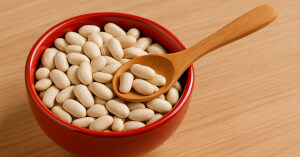
Nattokinase is derived from natto, a traditional Japanese food made from fermented soybeans. Natto has been consumed for centuries and is commonly eaten in Japan, particularly at breakfast.
During fermentation, a bacterium produces nattokinase, which can be extracted and concentrated for supplement use.
How It Works
Nattokinase helps break down fibrin, the protein involved in blood clot formation. By reducing excess fibrin, it may support smoother blood flow.
Some research suggests it may also help reduce blood viscosity, meaning blood becomes easier to circulate, and may contribute to modest reductions in blood pressure.
What Research Suggests
Small clinical studies have shown that nattokinase may influence clotting factors and arterial thickness. Carotid artery thickness is often used as a marker of early atherosclerosis.
While results are encouraging, larger and longer-term studies are still needed to confirm these effects.
What Is Serrapeptase and What Does It Do?
Origin
Serrapeptase, also known as serratiopeptidase, is an enzyme originally identified in bacteria found in the digestive system of silkworms.
Today, it is produced through controlled fermentation and used in supplements without involving animal sources.
How It Works
Serrapeptase breaks down non-living proteins such as excess fibrin, inflammatory debris, and scar tissue.
It is also known for its anti-inflammatory activity and has been studied for conditions involving swelling, mucus buildup, and tissue inflammation.
Evidence and Use
Some studies suggest serrapeptase may help reduce inflammation inside blood vessels and influence plaque-related processes by degrading fibrin.
It has been used in parts of Asia and Europe for circulation and inflammatory conditions, though large-scale human trials focused specifically on arterial plaque remain limited.
Can These Enzymes Remove Arterial Plaque?
Current evidence does not support the idea that enzymes can reverse advanced plaque buildup.
However, by reducing excess fibrin and supporting normal inflammatory balance, these enzymes may help slow progression and support healthier blood flow.
Their potential role appears strongest in prevention and long-term cardiovascular maintenance, rather than as a treatment for advanced disease.
Safety and Precautions
Because these enzymes influence blood clotting, caution is necessary.
- Do not combine with blood-thinning medications without medical supervision
- Avoid use before surgery or if you have bleeding disorders
- Not recommended during pregnancy or for children
- Consult a healthcare professional before use
These precautions are important due to their effects on clotting and circulation.
Additional Ways to Support Artery Health
Supplements work best when combined with lifestyle strategies that support cardiovascular health.
- Prioritize vegetables, fruits, garlic, and omega-3-rich foods
- Engage in regular physical activity, even moderate walking
- Limit excess sugar and highly processed foods
- Avoid smoking, which directly damages blood vessels
- Consider complementary nutrients such as CoQ10, Omega-3, and Vitamin K2
Final Takeaway
Nattokinase and serrapeptase are not cures for clogged arteries, but they may support cardiovascular health by influencing clotting and inflammation pathways.
They should not replace prescribed treatments, especially for individuals at high cardiovascular risk.
When used responsibly and combined with healthy habits, they may play a supportive role in a long-term heart health strategy.
Related Articles


Latest

Our Content Guidelines
Our content provides educational information about supplements and wellness topics.
-
 Evidence-informed content
We reference peer-reviewed studies and established scientific literature where available. -
 Clear sourcing & transparency
Sources and references are provided when evidence exists, allowing readers to explore further. -
 Updated to reflect new evidence
Articles are updated as new information becomes available.